Why Wall Removal Needs Careful Planning
Open floor plans look great, but not every wall is safe to remove. If a wall carries the weight of the floors or roof above, taking it out without proper support can lead to sagging ceilings, cracked finishes, and serious structural issues. Before you pick up a saw, it is important to understand how your home is built and what that wall does. If you are thinking about home remodeling Milwaukee projects, the safest first step is learning how to identify load bearing walls and when to call a professional. Redleaf Renovations helps homeowners in Milwaukee and nearby suburbs plan smart, safe wall removals that protect the integrity of your home while delivering the open, modern look you want.
Understanding How Your House Carries Weight
Every house is a system that transfers weight from the roof and upper floors down to the foundation. This weight is called the load path. Walls, beams, posts, floor joists, and the foundation all work together to move that load safely to the ground. If you remove one part of that system without a plan, the rest of the structure can shift or fail. Knowing the basics will help you spot warning signs and have better conversations with your contractor.
What Is a Load Bearing Wall
A load bearing wall helps support the weight of the structure above, which might be the second floor, attic, or roof. These walls often run perpendicular to the floor joists. They may line up with beams or posts in the basement or crawlspace. They are part of the main structural framework of the home.
What Is a Non Load Bearing Wall
A non load bearing wall, sometimes called a partition, divides rooms but does not carry the structure above. These walls usually run parallel to the joists, or they do not have any beams or posts aligned below. You can remove or alter them more easily, but you still need to consider wiring, plumbing, and HVAC inside the wall, as well as permits for any utility work.
Quick Checks You Can Do Before You Cut
These simple checks will not replace a professional assessment, but they can help you build a case for whether a wall may be structural. If any step makes you pause, stop and bring in a pro from Redleaf Renovations for a safe plan.

- Look in the basement or crawlspace. If there is a beam, steel I beam, or a line of posts under the wall, the wall above may be carrying load.
- Check the direction of your floor joists. If the wall runs perpendicular to the joists, it has a higher chance of being load bearing. If it runs parallel, it may be a partition.
- Go to the attic if it is safe. Rafters, trusses, and collar ties reveal how the roof is built. If rafters or ceiling joists lap over the wall, or if there is a beam above it, the wall is likely supporting something.
- Find stacked walls. If a wall on the first floor lines up with a wall on the second floor, or if walls line up over a beam, that is a sign of load transfer.
- Notice thickness and framing details. Load bearing walls can be thicker, sometimes framed with wider studs or double top plates. This is not a guarantee, but it is a clue.
- Check near stairs and fireplaces. These areas often concentrate loads. Walls close to them are more likely to carry weight.
- Consider the age of the home. Older homes may use balloon framing or other methods that change how loads travel. In that case, assumptions can be wrong, so professional help is key.
- Look for signs of stress. Doors that stick, sloped floors, or cracked plaster near the wall may point to existing load or previous changes.
How to Inspect Safely, Step by Step
Do not start with a sledgehammer. A careful inspection helps you avoid hidden hazards and surprises. Here is a basic approach many pros use before design and engineering.
- Gather simple tools. A flashlight, tape measure, stud finder, small pry bar, camera, and a dust mask are a good start. Lay drop cloths to keep dust down.
- Trace framing direction. Find a mechanical room or an unfinished area where you can see the direction of joists. Note if the target wall runs perpendicular or parallel to them.
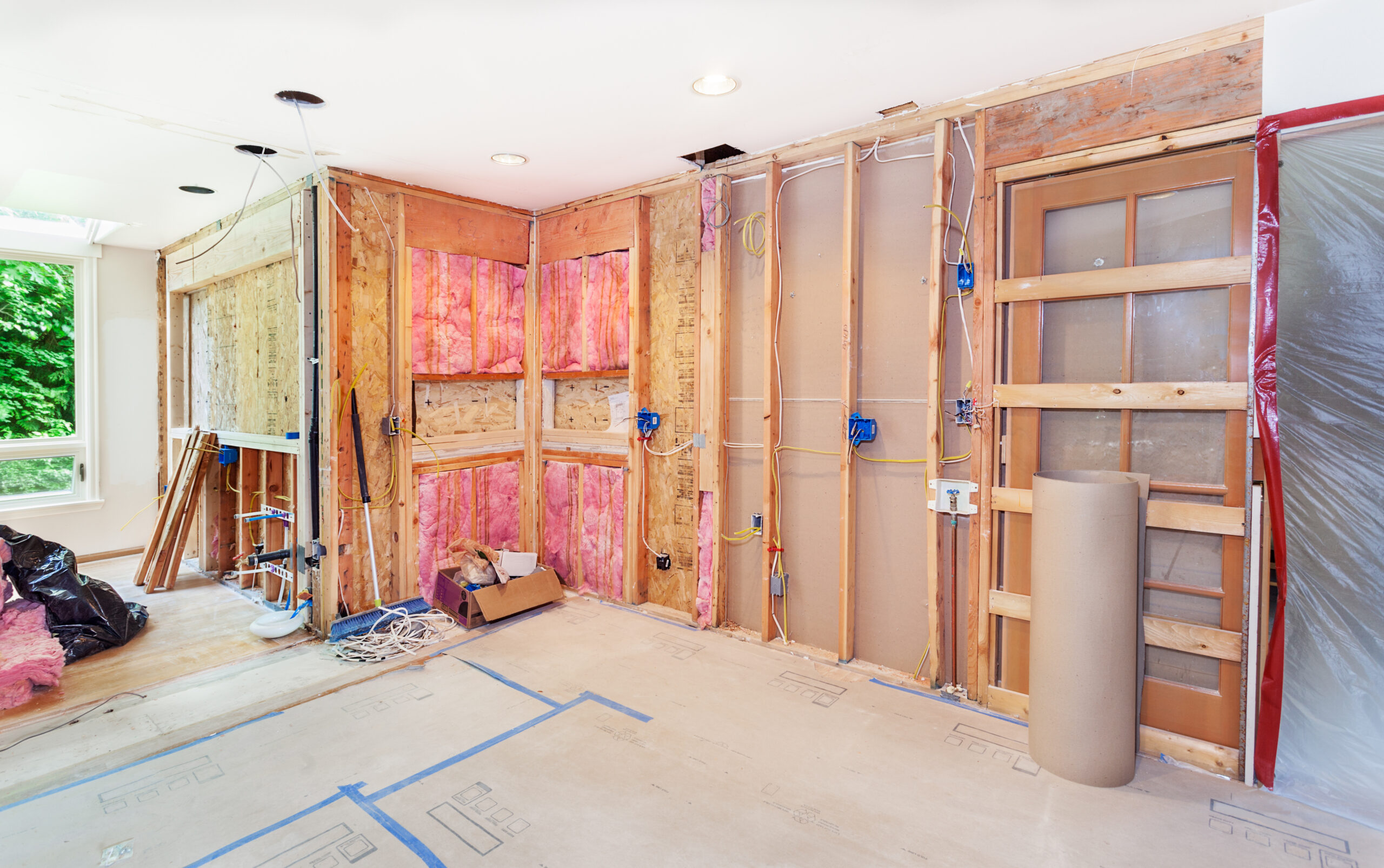
- Open a small inspection hole. Remove a small section of drywall near the top of the wall, staying clear of wires and pipes. Look for double studs, built up posts, or headers that might indicate structure.
- Follow the load path. From the wall, track what is above and below. Check for beams, posts, or joist hangers in line with your wall. Photograph what you see.
- Map utilities. Use the stud finder and visual inspection to note electrical runs, plumbing stacks, or HVAC ducts. Utilities can change the plan and budget.
- Evaluate finishes and transitions. Think about how flooring, trim, and ceilings will meet once the wall is gone. Clean transitions take planning.
- Stop and assess. If any sign points to a load bearing condition, or if you see complex utilities, bring in Redleaf Renovations to collaborate with a structural engineer and finalize a safe design.
Special Considerations in Milwaukee Area Homes
Homes in Milwaukee, Wauwatosa, and nearby suburbs have distinct building styles. Many classic bungalows and Tudors use plaster and lath walls, dimensional lumber that is not the same size as modern boards, and sometimes balloon framing. It is common to find brick veneer over wood framing, hidden knob and tube wiring in older homes, or lead paint and asbestos containing materials in vintage finishes. Snow loads can be significant, which affects roof design and sizing for new beams. Basements often include a central beam with steel posts, and many first floor bearing walls are aligned above that beam. These regional details matter when you plan home remodeling Milwaukee projects. A local contractor like Redleaf Renovations understands these construction patterns and the local code requirements, which helps you avoid costly mistakes.
What Happens If You Remove a Load Bearing Wall Without Support
Taking out a structural wall without a plan is risky. Even if the house does not collapse, the damage can build over time. The cost to fix it later is usually far higher than doing it right the first time.
- Sagging ceilings and floors that bounce or feel soft underfoot.
- Cracked drywall or plaster that keeps returning after patching.
- Sticking doors and windows as frames twist out of square.
- Roofline dips, which can lead to leaks and ice dams in winter.
- Plumbing and electrical issues from disturbed lines inside the wall.
- Long term foundation stress from shifted loads.
- Safety hazards for your family and anyone working on the home.
Safe Ways to Open Up a Load Bearing Wall
The good news is that you can still get your open concept look by replacing the wall with a properly sized beam and posts, or by shortening the wall to create a wider cased opening. The right approach depends on structure above, span, and what is below.
- Temporary bracing. Before removing any studs, pros build temporary support walls on each side to carry the load during the work.
- Beam selection. Laminated veneer lumber, glue laminated beams, and steel beams are typical options. The design must match the span and load. An engineer can size the beam and any columns.
- Flush or drop beam. A drop beam sits below the ceiling and is often faster to install. A flush beam sits inside the ceiling plane for a seamless look but can require more framing adjustments.
- Post and footing details. New posts must land on solid support, often a beam or a new footing at the basement level. Skipping this step reduces safety.
- Utility rerouting. Wires, pipes, and ducts can be moved, but this requires planning, skilled trades, and inspections.
- Finish carpentry. Clean drywall lines, blended flooring, and matched trim transform a structural fix into a finished space that feels original. Redleaf Renovations is known for careful finishing, including custom details and Amish-built elements when part of a larger remodel.
Permit and Code Basics for Milwaukee and Nearby Suburbs
Most structural changes require permits. The City of Milwaukee and neighboring municipalities want to ensure that houses stay safe and that licensed trades handle utility work. Rules change over time, so always check with your local building department. Redleaf Renovations can handle permitting and scheduling inspections as part of your project, which simplifies the process for you.
- Structural modifications. Removing load bearing walls, adding beams, or changing posts will almost always require a permit and sometimes engineering documents.
- Electrical, plumbing, and HVAC. Any rerouting or new work must be done by licensed trades and inspected.
- Inspections. Expect rough inspections after structural and utility work, then final inspections once finishes are complete.
- Safety upgrades. Projects can trigger updates like smoke and carbon monoxide detectors to meet current code.
Budget and Timeline Planning
The cost and duration of a wall removal vary with the size of the opening, whether the beam is flush or dropped, utility relocation, finish work, and permit requirements. Opening a non load bearing wall with minimal utilities is usually faster and more affordable than replacing a structural wall and moving major services. Homes with plaster and lath, thick trim profiles, or finished hardwood floors need extra care to protect and blend finishes. A trustworthy contractor will provide a clear scope, a schedule with milestones, and an allowance plan for unknowns discovered after opening the wall. Redleaf Renovations emphasizes planning, clear communication, and craftsmanship so you can make decisions with confidence.
DIY or Hire a Pro
Some homeowners are comfortable tackling basic projects, but structural changes call for more caution. Use this quick guide to help decide your next move.
- DIY may be fine for a simple non load bearing partition with no utilities, as long as you secure any required permits and inspections.
- Hire a pro if the wall might be load bearing or if it supports a second floor, attic, or roof.
- Hire a pro if you have an older home, plaster and lath, or signs of past structural movement.
- Hire a pro if plumbing stacks, gas lines, or major electrical runs are present.
- Hire a pro if you want to blend finishes seamlessly across rooms or refinish hardwood floors.
- Hire a pro if your timeline is tight and you want predictable results.
How Redleaf Renovations Supports Safe, Beautiful Open Plans
Redleaf Renovations has helped homeowners since 2011 with thoughtful design, quality craftsmanship, and a process built around trust. We listen to your goals, assess structure and utilities, and create a plan that respects both safety and style. Our team coordinates with engineers when needed, handles permits and inspections, and executes the work with care. We source high quality materials, including Amish-built cabinetry when a kitchen or built in is part of the project, so your new space looks as good as it functions.
- Complete Home Renovations. We plan and manage whole home transformations from structural changes to finishes, guided by your vision.
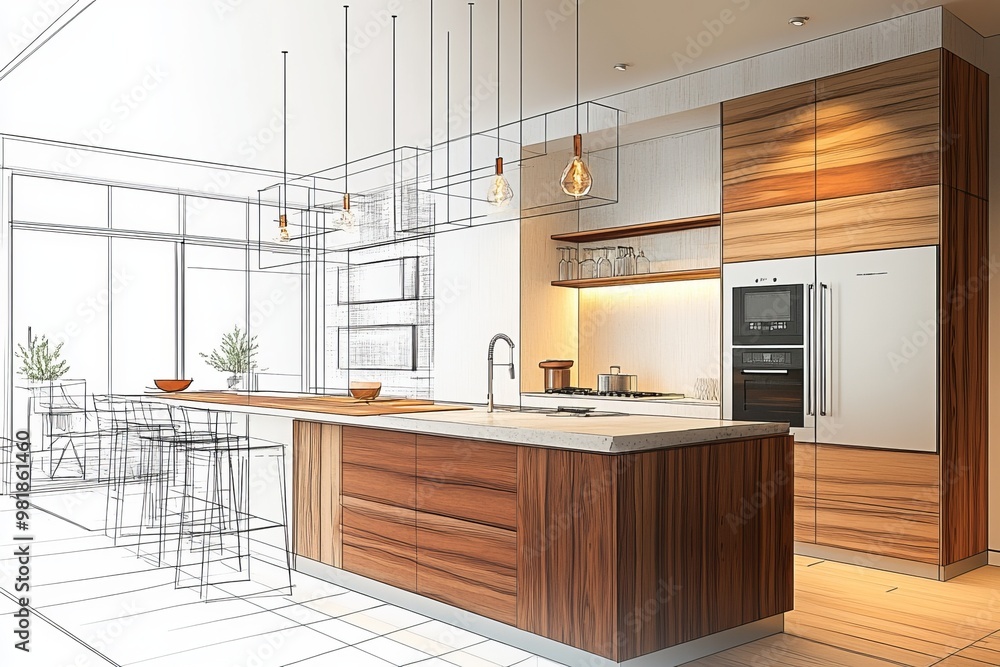
- Kitchen Remodels. We revitalize kitchens with Amish-built cabinets and custom details that make everyday living easier.
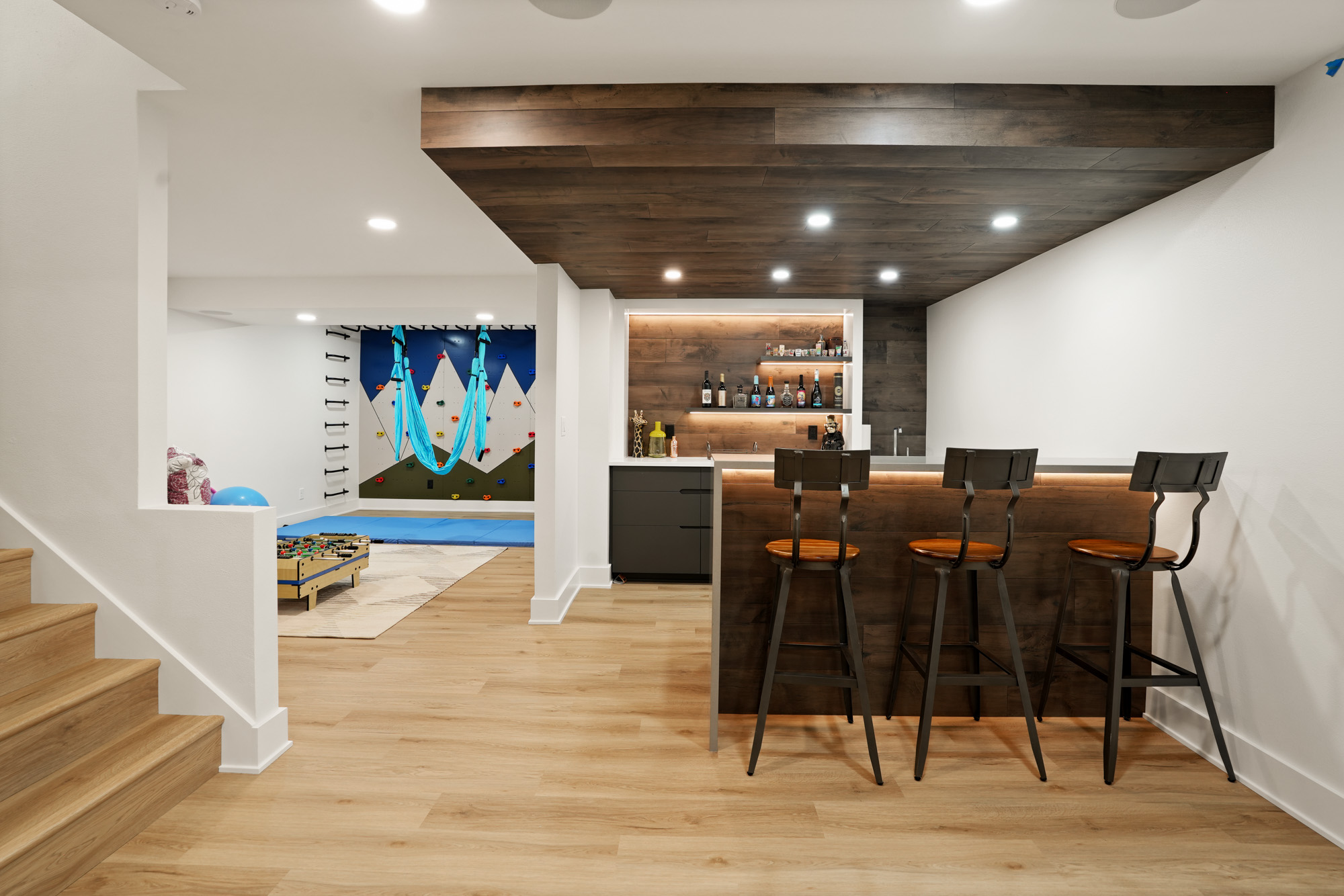
- Basement Renovations. We turn basements into bright, comfortable living areas ready for family time or entertaining.
- Additions. We design and build additions that expand your home while matching its character.
When you search for home remodeling Milwaukee experts, look for a team that balances creativity and engineering. Redleaf Renovations brings both to the table, along with clean worksites, good communication, and detailed finishing.
A Real World Example
A Milwaukee area family wanted a more open kitchen and dining room in a 1930s bungalow. The central wall ran perpendicular to the joists and lined up with a basement beam, so it was load bearing. Redleaf Renovations built temporary supports, installed a properly sized LVL beam, and routed electrical and a small plumbing line through a planned chase. We coordinated with an engineer for sizing and with the building department for permits and inspections. Once the structure was secure, our team installed Amish-built cabinetry in the new kitchen, matched the crown and base trim to the original profiles, and wove in new oak flooring where the wall once stood. The family gained sightlines and light without losing the charm of their home.
Prep Your Home for Wall Removal Day
A little preparation goes a long way in keeping your project smooth and your home clean.
- Clear the area on both sides of the wall, including art and furniture within several feet.
- Protect floors and stairs. Lay runners and cover areas that will see tool traffic.
- Set up dust control. Discuss plastic containment and air filtration with your contractor.
- Plan for utility shutoffs. Electrical circuits or water lines may need to be turned off for part of the day.
- Make a path. Ensure a clear route from the entry to the work area for moving beams and materials.
- Consider pets and kids. Arrange safe spaces away from the work zone.
- Communicate with neighbors, especially in attached homes, about timing and parking.
Frequently Asked Questions
Can I tell from a stud finder if a wall is load bearing
No. A stud finder can help locate studs and some wires, but it cannot confirm structure. You need to study framing direction, stacked walls, and supports below, or have a professional assessment.
Do I need an engineer
If the wall is load bearing, yes. An engineer sizes beams and posts based on span, loads, and local codes. Redleaf Renovations coordinates this step as part of a complete plan.
What size beam do I need
Beam size depends on span, what is above, and how loads transfer to posts and the foundation. There is no one size fits all. An engineered solution is the right approach for safety and code compliance.
How long does a typical wall removal take
The time varies with complexity. A simple opening in a non load bearing wall can be quick. A structural wall with utilities, inspections, and finish blending takes longer. A clear schedule from your contractor will set expectations.
Can I remove only part of a wall
Yes. A wide cased opening can keep some structure while improving flow. This option can reduce costs and help with finish transitions. Redleaf Renovations can show you layout options that balance openness with budget.
Next Steps
If you are planning home remodeling Milwaukee projects and want to remove a wall, start with a safe evaluation. Walk through the quick checks above, then schedule a consultation with Redleaf Renovations. We will confirm whether the wall is load bearing, coordinate engineering if needed, handle permits and inspections, and deliver detailed craftsmanship from framing to finishes. Since 2011, our team has focused on personalized service, high quality materials, and results that feel right for the way you live. Reach out to Redleaf Renovations to open up your floor plan with confidence and care. Your home deserves it, and so do you.