Thinking about turning your basement into a true living space and wondering if a full bathroom can fit under a low ceiling? If you are researching basement remodeling Milwaukee homeowners trust, this guide walks you through what is possible, what the building code often requires, how to design around headroom limits, and what it costs in the Milwaukee and Wauwatosa area. As a local remodeler, Redleaf Renovations helps homeowners make smart decisions that fit their homes, budgets, and personal styles.
The short answer: Yes, with the right plan and permits
In most cases, you can add a full bathroom to a low-ceiling basement. The key is to respect local building codes, use the right plumbing strategy for a below-grade space, and design finishes and lighting that make a shorter room feel taller. Redleaf Renovations takes a design-first approach so your layout, materials, and mechanical details work together and pass inspection the first time.
What counts as a full bathroom in a basement?
A full bathroom typically includes a toilet, a sink, and a bathing fixture such as a shower or tub. In a low-ceiling basement, a walk-in shower with a low-profile base is often the most practical choice. Many families prefer a shower-only setup for ease of entry and better use of space. If a tub is important for your household, there are compact tubs and deep soaking models that can fit under shorter ceilings with careful placement.
Low ceilings and code basics in the Milwaukee area
Milwaukee and nearby communities like Wauwatosa generally follow the Wisconsin Uniform Dwelling Code with local amendments. Always verify exact requirements with your local building department. The following are common guidelines we see in basement remodeling Milwaukee projects:
- Ceiling height: Bathrooms commonly need about 6 feet 8 inches of headroom in most of the space. Some beams, ducts, and obstructions may be allowed to drop lower in specific areas, often to around 6 feet 4 inches, but not over key fixtures. Local rules vary.
- Shower area: Many codes look for about 6 feet 8 inches of height over the shower area and a minimum shower size. A 36 inch by 36 inch interior is comfortable, while 30 inch by 30 inch is often considered the minimum. Doors and openings must meet clearance rules.
- Toilet clearances: Plan for at least 15 inches from the toilet centerline to each side and around 21 inches of clear space in front, measured to a wall or door.
- Ventilation: Mechanical ventilation is required. A quiet, properly ducted exhaust fan is essential in a basement.
- Electrical safety: GFCI protection for outlets near water and appropriate lighting ratings for damp or wet zones are standard requirements.
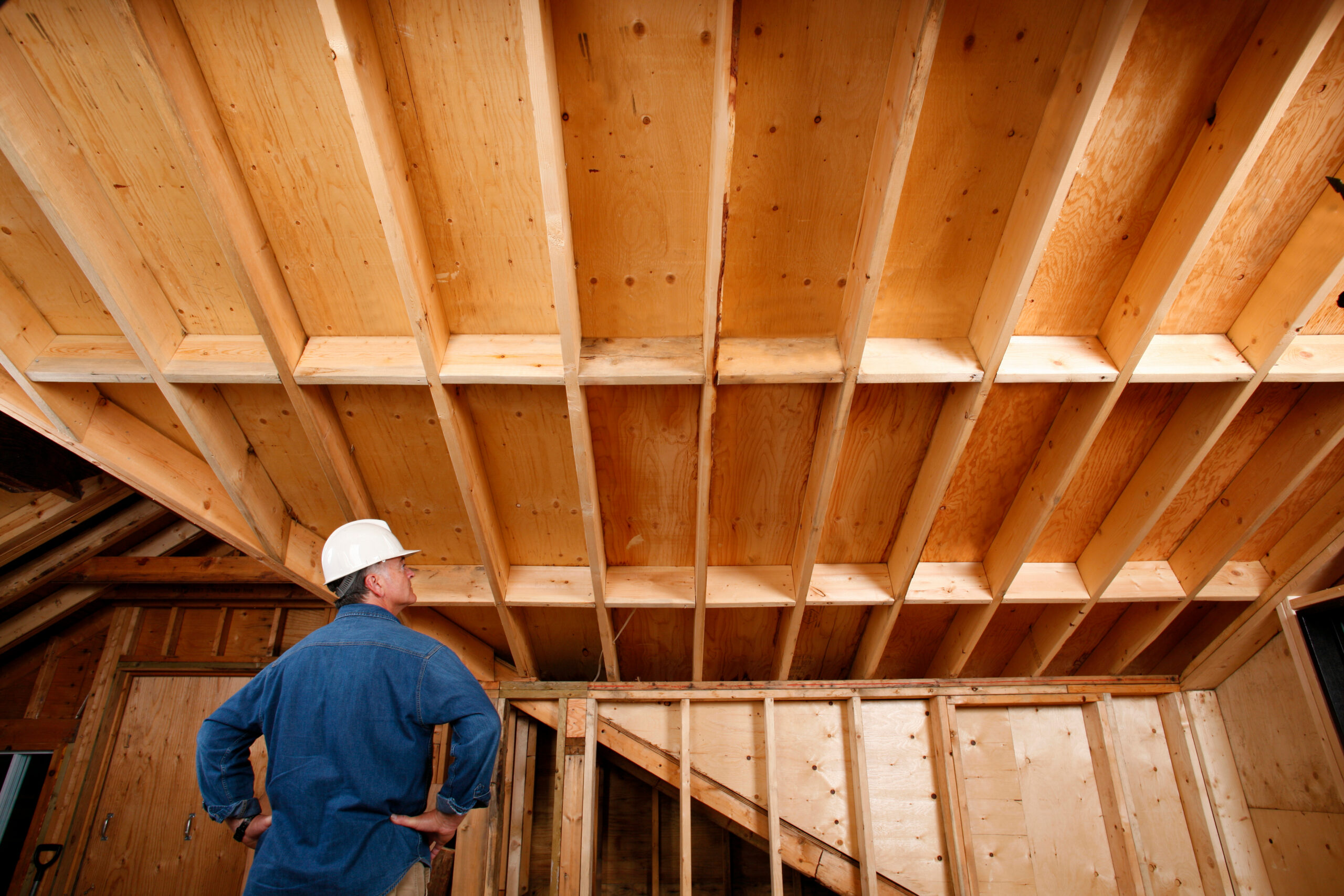

Because basement ceilings often have beams and ductwork, Redleaf Renovations maps every obstruction during design. We aim to keep the tallest headroom over the shower and toilet while fitting bulkheads where they are least noticed.
Permits and inspections
A basement bathroom requires permits and inspections for plumbing, electrical, and often framing. The inspector will confirm drainage and venting, water-resistant materials in wet zones, and proper fan ducting. Redleaf Renovations handles permitting and coordinates all inspections so you can focus on the fun parts of design. Our team has managed approvals for projects in and around Wauwatosa and greater Milwaukee, and we plan details up front to avoid delays.
Plumbing solutions for below-grade bathrooms
Drainage: gravity vs. ejector pump
Bathrooms installed below the level of the main sewer line usually need a sewage ejector pump or a macerating system to move wastewater up to the building drain. A traditional sewage ejector system uses a sealed basin set into the slab and is the most common long-term solution. It handles both toilet waste and gray water from the shower and sink. Where the slab cannot be cut, or for very tight spaces, an above-floor macerating toilet can be considered, though noise and maintenance are factors. Redleaf Renovations evaluates your existing drains, slab thickness, and sewer elevation to recommend the best option.
Venting for healthy, code-compliant plumbing
Every fixture needs a vent to equalize pressure in the drain lines. The most robust approach is a dedicated vent that connects to the home’s vent stack and terminates through the roof. Some municipalities allow air admittance valves in limited situations, but others restrict them. We coordinate with local code officials in Milwaukee and Wauwatosa to choose an approved venting plan that works for your layout.
Waterproofing and backflow protection
Basement bathrooms benefit from moisture control features. These can include a backwater valve to prevent sewer backups, sealants at slab cuts, high-quality waterproof membranes behind tile, and a properly sloped shower floor. If your basement shows signs of moisture, we may propose sump improvements, perimeter drainage upgrades, or vapor barriers as part of the scope.
Design strategies that make low ceilings work
The right design choices make a big difference in a low-ceiling basement bathroom. When homeowners choose Redleaf Renovations for basement remodeling Milwaukee projects, we focus on function first and then layer in beautiful materials that feel tailored to your style.
- Use a low-profile or curbless shower base to gain precious headroom and step-in comfort.
- Choose a linear drain to run the shower floor with a single gentle slope.
- Swap a swinging door for a glass panel or sliding door to save space and keep sightlines open.
- Run tile to the ceiling with vertical patterns that draw the eye up.
- Select light, reflective finishes and large-format tile to reduce visual seams and make the room feel taller.
- Install canless, low-profile LED lights instead of traditional can lights to maximize headroom and reduce heat.
- Add a wall-mounted vanity or a floating cabinet for an airier look and easier cleaning.
- Consider a wall-hung toilet with a concealed tank to free up inches and modernize the space.
- Place bulkheads over the vanity or circulation zone rather than above the shower or toilet.
- Integrate storage niches into the shower wall and recess medicine cabinets to avoid protrusions.
- Choose a quiet, high-efficiency exhaust fan with a short, direct duct path to the exterior for better moisture control.
Smart layouts for tight heights
Aligning your new fixtures with existing stacks and supply lines can reduce slab cutting and speed the job. If your main drain runs along one wall, position the toilet closest to that line and place the shower and vanity nearby. Where a beam or duct reduces height, consider using that zone for the vanity or circulation instead of the shower head. Redleaf Renovations creates several layout options in the design phase and walks you through the pros and cons of each.
What it costs to add a basement bathroom in Milwaukee
Costs depend on scope, finishes, and site conditions. For basement remodeling Milwaukee homeowners typically invest in, a full basement bathroom with an ejector pump often falls into a broad range. Modest, code-compliant projects can start around the mid 20,000s. More complex builds with structural changes, premium tile, glass enclosures, and custom cabinetry can reach 40,000 to 60,000 or more. When paired with a full basement renovation, the overall investment can be higher, but spreads fixed costs like permits and mobilization across multiple rooms.
- Plumbing rough-in and concrete work: often 6,000 to 15,000 depending on slab cutting, pump selection, and distances to the main drain.
- Sewage ejector system and basin: often 2,500 to 6,000 installed, influenced by capacity, alarms, and basin type.
- Electrical and ventilation: often 1,500 to 4,000 for circuits, lighting, GFCI protection, and a quality fan.
- Framing, insulation, and drywall: often 3,000 to 7,000 based on size and complexity.
- Tile, shower glass, and finishes: widely variable, often 6,000 to 15,000 or more for high-end materials.
- Cabinetry and counters: from simple vanities to custom Amish-built cabinetry by Redleaf Renovations partners, often 1,200 to 8,000.
- Permits and inspections: depends on municipality.
These figures are typical ranges, not quotes. Redleaf Renovations provides a detailed, fixed-scope proposal after on-site evaluation so you understand costs before work begins.
Timeline: from consultation to final inspection
- Discovery call: discuss goals, ceiling heights, and must-haves.
- On-site assessment: measure, locate drains and obstructions, and review moisture conditions.
- Concept design and budget: create layout options and align on investment range.
- Selections and construction drawings: finalize tile, fixtures, ventilation, and cabinetry.
- Permitting: submit plans and manage approvals.
- Pre-construction planning: order long-lead items and schedule trades.
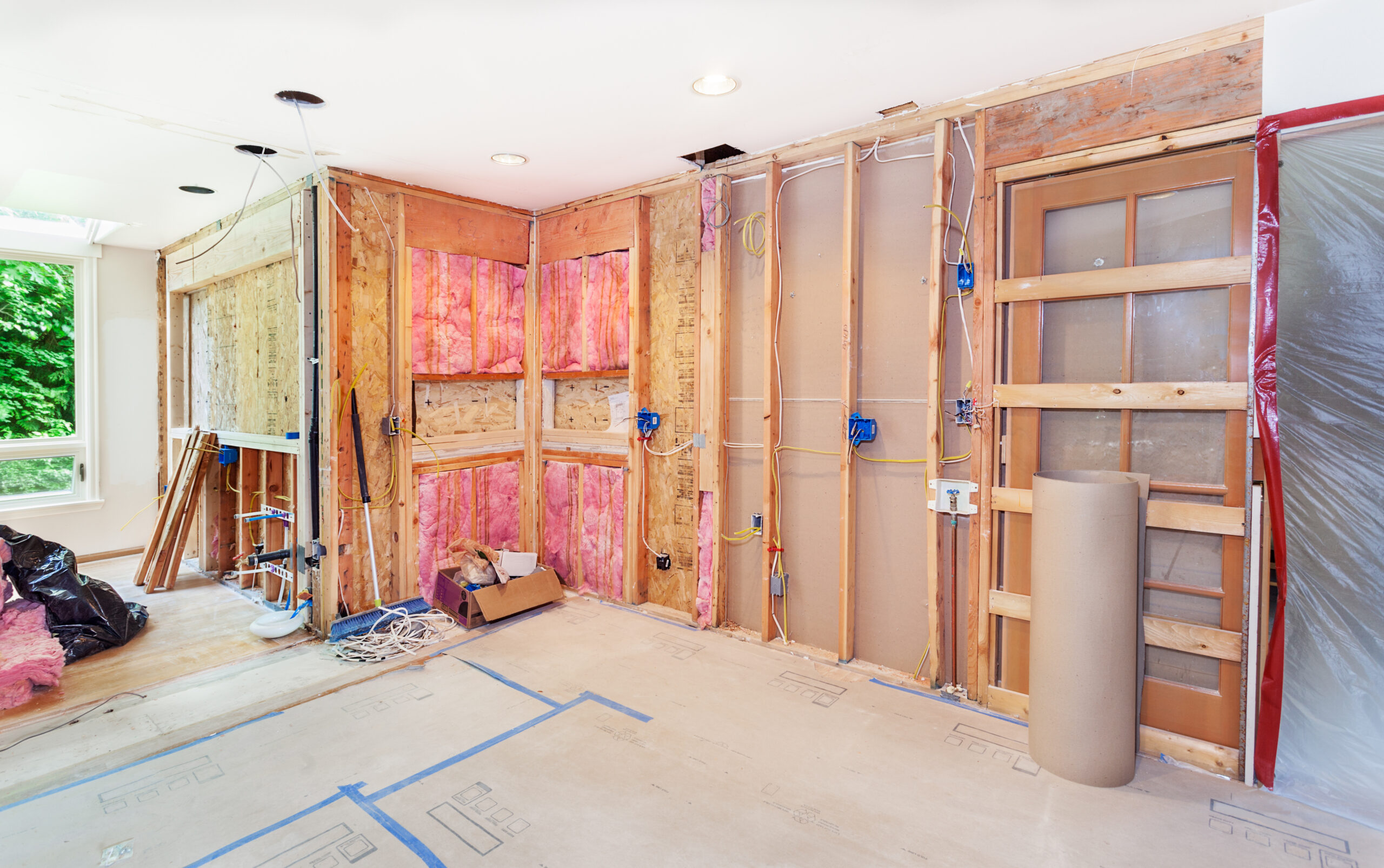
- Build phase: protection, demolition, rough-in, inspections, waterproofing, finishes, and trim.
- Final walk-through and inspection: confirm performance, provide care tips, and close out.
Most basement bathrooms take several weeks on site, depending on complexity and inspections. Full basement renovations take longer. Redleaf Renovations sequences the job to reduce downtime and keep your home safe and clean.
Common challenges and how we solve them
- Insufficient headroom over the shower: We may recess the shower base slightly, choose a low-profile drain, and relocate the head to the tallest spot.
- Low ducts and beams: We re-route small runs when possible and conceal others with intentional soffits aligned to cabinetry or mirrors.
- Slab conditions: We scan or carefully explore the slab to avoid structural elements and plan clean, code-compliant cuts for the ejector basin.
- Moisture and musty odors: We address drainage and ventilation first, then use waterproof membranes and mold-resistant materials.
- Noise from pumps: We specify quiet pump options, vibration isolation, and thoughtful placement to reduce sound transfer.
- Limited natural light: We design layered lighting and reflective finishes to brighten the room without glare.
FAQs about low-ceiling basement bathrooms
Can I build a full bathroom if my ceiling is under 6 feet 8 inches?
It depends on where the low spots are and how your city interprets code. Many codes allow beams and ducts to drop lower in limited areas, but they expect full height where you stand. If you are close, solutions like a low-profile shower base, recessing portions of the floor, or relocating a duct can help. Redleaf Renovations will confirm the best path with your local inspector before you invest.
Do I need a sewage ejector pump?
If your basement floor is below the level of the main sewer line, yes. An ejector pump moves wastewater up to the building drain. We size and place the system for reliable operation and easy servicing.
Is a curbless shower possible in a basement?
Often yes. It requires careful planning for slope and drainage. We assess slab thickness and elevation to determine if we can recess the pan or use a low-profile approach that still drains well and meets code.
Will a basement bathroom add value to my home?
Most buyers see a basement bathroom as a major upgrade, especially when paired with a finished living area or guest suite. Value depends on quality, layout, and market conditions. Designed well, it improves daily function and resale appeal.
How do you handle ventilation in a basement bathroom?
We install a dedicated, properly sized exhaust fan vented outside, not into the attic or soffit cavity. We select quiet models and short, straight duct runs to keep moisture under control.
Can I DIY parts of the project?
Some homeowners handle painting or basic finishes. Plumbing, electrical, and waterproofing are best left to licensed pros due to code, warranty, and long-term performance. Redleaf Renovations can tailor the scope to your comfort level.
Why homeowners choose Redleaf Renovations
Since 2011, Redleaf Renovations has delivered personalized remodeling that reflects each client’s style and the way they live. Our team is known for craftsmanship, clear communication, and a clean jobsite. We specialize in high-quality materials, including Amish-built cabinetry for vanities and storage, and we manage every detail from concept through final inspection.
- Local code expertise in Milwaukee and Wauwatosa for smoother permits and inspections.
- Design-build planning that solves headroom, plumbing, and ventilation before construction starts.
- Quality craftsmanship in framing, tile, and finishes so your bathroom looks great and lasts.
- Selections support to match function, style, and budget without guesswork.
- Transparent proposals and schedules so you know what to expect.
Redleaf Renovations also offers whole-home remodels, kitchens with custom Amish-built cabinets, additions, and complete basement renovations that turn underused areas into comfortable, beautiful space for family time and entertaining.
Ready to explore basement remodeling Milwaukee?
If you have wondered whether a full bathroom can fit under your low basement ceiling, the answer is likely yes with a thoughtful plan. Let Redleaf Renovations evaluate your ceiling heights, drainage options, and layout so you can move forward with confidence. Basement remodeling Milwaukee: Can you add a full bathroom in a low-ceiling basement? Learn code musts, smart designs, and costs. Schedule your free consult today. Contact Redleaf Renovations to start a conversation about your home and your goals. We would love to help you create a basement that feels taller, functions better, and reflects your style.