The short answer: it depends on design, not size
Big additions have a reputation for making the original home feel dark. The truth is more hopeful. A thoughtful design can protect, and even increase, the natural light you enjoy every day. If you are searching for home addition contractors near me and you are worried a new wing or a second story will cast deep shadows, this guide explains what really causes light loss, how to avoid it, and which design choices brighten rooms in every season. At Redleaf Renovations, we help homeowners in and around Wauwatosa, Wisconsin plan additions that look beautiful and live bright.
How big additions affect daylight
Orientation and the sun path
Light levels rise and fall with the sun, and the side of your home you build on matters. South-facing walls catch steady light through the day. East-facing walls glow in the morning. West-facing walls can blaze late in the day. North-facing walls receive cool, soft light with few direct sunbeams. In a Wisconsin climate, the sun sits low in winter and higher in summer, which means winter shadows reach farther across your lot. A massive addition on the south side can shade the original home in winter unless the massing and rooflines are planned with care. The same addition on the north side may protect the rest of the house from losing sun while still giving you a luminous new space if the windows are sized and placed well.
Height, volume, and setbacks
Two stories can feel imposing when they are built flush with the existing exterior wall. A small step back on the second level, a change in roof pitch, or a light court between old and new can reduce shadowing and allow sun to reach lower windows. Volume also affects light inside the addition. A taller ceiling admits more sky and lets high windows and clerestory glass draw daylight deep into the plan.
Window area and glazing quality
Window-to-wall ratio is part of the picture, but quality matters as much as quantity. Modern low-E glass with a suitable Solar Heat Gain Coefficient can admit light while managing heat. In cold climates like Wisconsin, a lower U-factor helps with energy efficiency. Balanced glass placement on more than one wall creates even light, which feels brighter than a single oversized opening that causes glare.
Interior layout and sightlines
Rooms feel bright when they receive light from two directions and when interior walls allow light to pass. Aligning doorways, using interior windows, and keeping pathways open between spaces allows borrowed light to reach deeper rooms. A central corridor without openings can act like a dam. A few strategic cutouts, transoms, or glass-panel doors change that, often without major cost.
Roof forms and overhangs
Roof shapes control both daylight and shade. Shed and gable roofs can host clerestory windows that pull sun in from above. Hipped roofs with generous overhangs protect from summer glare while still letting in low winter light when sized correctly. Dormers can bring morning or afternoon light into second floors and stairwells, which then filters down to the first floor.
Proven strategies to keep or boost natural light
Plan a light-first addition
- Start with a daylight audit that maps where and when each room receives light today. Identify the keepers and the dark zones.
- Run a simple sun study so you can see shadow patterns across the seasons. Redleaf Renovations uses digital modeling to preview these effects.
- Place the addition where it solves functional needs and protects existing sunny rooms. Sometimes shifting a footprint a few feet changes everything.
- Step the second story back or vary the roof heights to prevent heavy shade on lower windows.
- Design light courts or small courtyards that deliver sky views and reflected light into the heart of the home.
- Keep circulation open and align openings so daylight has a clear path.
Smarter window placement
- Pair windows on adjacent walls in key rooms to provide balanced, two-direction light.
- Use taller windows with raised heads to pull light deeper into the space.
- Add transoms above doors and cased openings to share light between rooms.
- Consider corner glazing to capture light from multiple orientations with a single gesture.
- Choose glass doors to patios or decks to extend the brightness of the addition into the yard.
Roof features that pour in sky light
- Install modern vented or fixed skylights sized to about 3 to 5 percent of the room’s floor area for soft, even light.
- Place skylights on north or east roof faces for gentle illumination. On south and west, use low-E glass and shades to control heat and glare.
- Use curb-mounted skylights with proper flashing and an ice and water shield. This is essential in snow country.
- Add solar tubes in small interior rooms or hallways where a full skylight does not fit. These can move daylight surprisingly far.
- Run a clerestory band beneath a raised roof plane to bounce light off the ceiling and into living areas.
Door and wall choices that share light
- Use glass-panel interior doors for studies and bonus rooms where privacy is still possible.
- Replace solid walls with half walls and interior windows where structure allows.
- Choose open or metal-stringer stair designs to let stairwells act as light shafts.
- Use wide cased openings between the addition and original house to connect light sources.
Materials and colors that bounce light
- Specify satin or eggshell paint on walls for a soft reflectance. Choose semi-gloss for trim to brighten edges.
- Pick light to mid-tone flooring with a matte finish that bounces light without glare.
- Use reflective elements like glazed tile, satin nickel hardware, and glass backsplashes to add sparkle.
- Place mirrors across from windows or at the end of halls to extend views and reflect daylight.
Taming glare and heat
- Match glass specs to orientation. Consider slightly higher SHGC on south-facing glass for passive winter gains, and lower SHGC on west exposures to cut afternoon heat.
- Size roof overhangs to block high summer sun while admitting low winter rays. Your contractor can calculate this based on latitude.
- Use exterior shades, pergolas, or deciduous trees to soften intense sun without losing brightness.
- Add interior shades with light-filtering fabrics for fine control without a cave-like effect.
Common design mistakes that darken homes
- Blocking existing sunny windows with a new wall or closet at the connection point.
- Relying on one large opening instead of multiple balanced windows on different walls.
- Building a deep covered porch directly outside the brightest room without accounting for shade.
- Choosing dark, light-absorbing finishes across floors, walls, and ceilings all at once.
- Dropping ceilings or adding bulky soffits that interrupt the spread of light.
- Ignoring large trees and neighboring structures that already cast shade.
What to ask when searching for home addition contractors near me
When you type home addition contractors near me, you want more than a builder. You want a team that understands daylight. These questions will help you find the right fit.
- Can you show examples of additions where the original home kept or gained natural light? What strategies did you use?
- Do you perform sun and shadow studies or use 3D modeling to predict light? Can I see daytime renderings?
- How do you size overhangs and select window glass for each orientation?
- Will you propose interior solutions like transoms, open stairs, or interior windows to share light?
- How will you coordinate HVAC and ventilation so we can use natural light and still feel comfortable?
- Are you familiar with local codes for egress, tempered glass near stairs, and energy requirements for windows?
The Redleaf Renovations approach
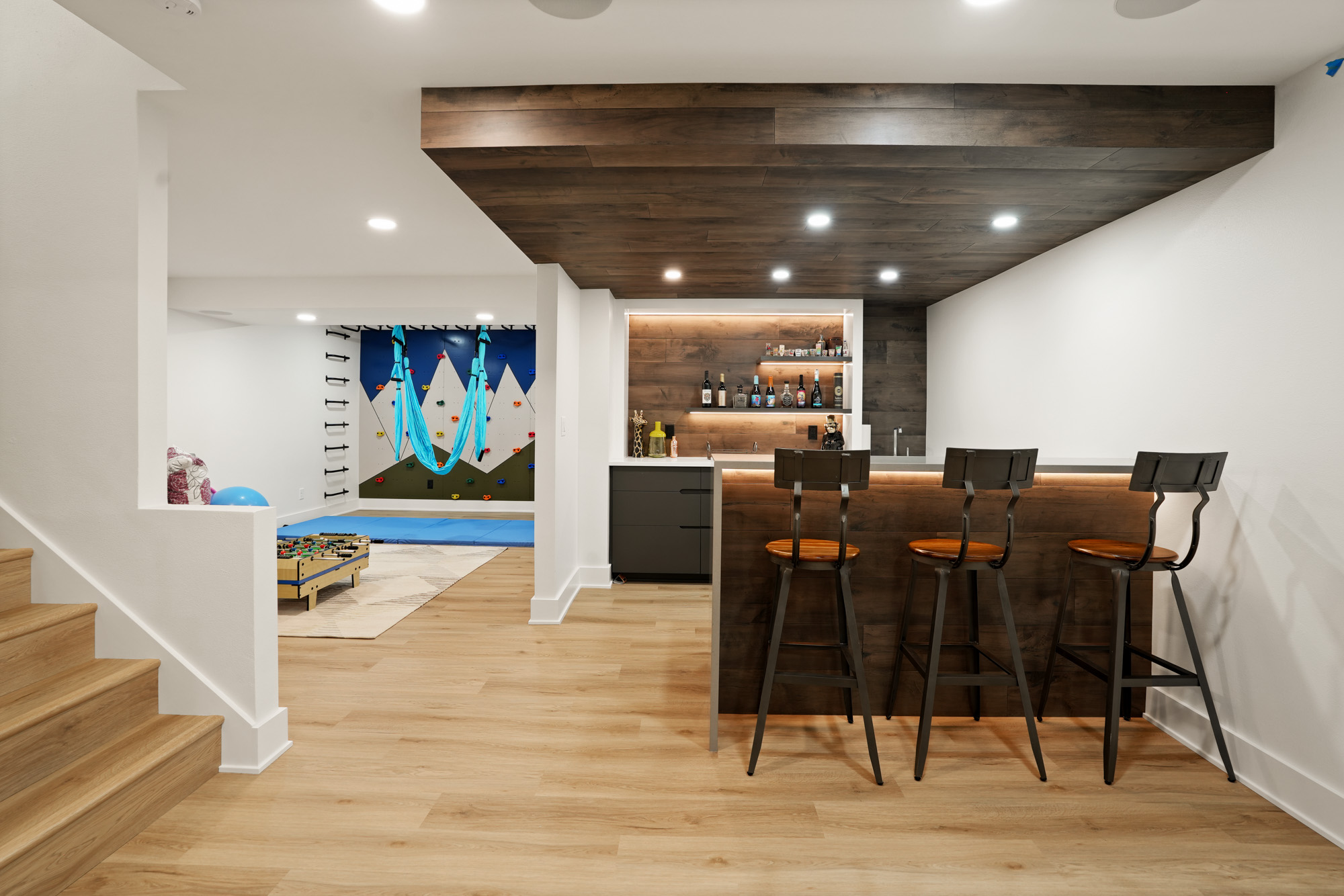
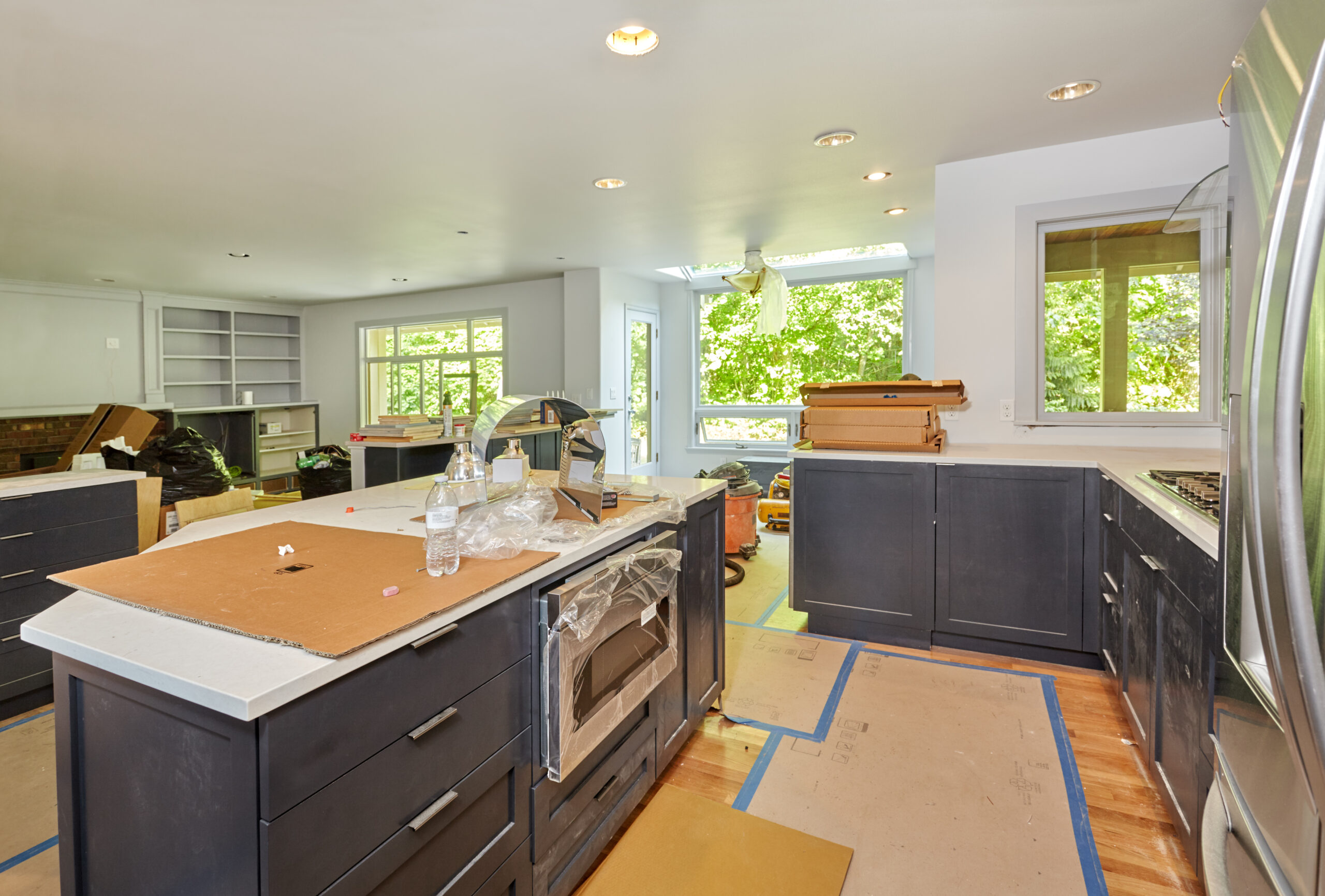
Redleaf Renovations brings personalized design, careful planning, and high-quality craftsmanship to every project. Since 2011, our team has helped homeowners transform spaces with solutions that honor how you live. We believe bright, comfortable rooms are the foundation of a happy home, which is why we design additions that protect light and deliver beauty. From Amish-built cabinetry in a kitchen remodel to the finishes that make a basement feel inviting, our work balances function and style. Based on the projects we have completed around Wauwatosa, Wisconsin, we understand the region’s climate and how seasonal light changes affect your rooms.
Our light-savvy process
- Discovery call: We listen to your goals, concerns about light, and budget.
- On-site light audit: We map current daylight, test views, and note shade from trees or nearby homes.
- Concept design with sun study: We create a plan and run a shadow analysis to show how the addition behaves in winter and summer.
- Material and glazing selection: We help you choose window types, low-E coatings, finishes, and colors that boost brightness.
- Detailed build plan: We document window sizes, head heights, overhang dimensions, and structural details that support the light plan.
- Meticulous construction: Our craftspeople execute the plan with careful flashing, air sealing, and trim work that frames the light beautifully.
- Post-build tune-up: We confirm performance, adjust shades and controls, and share care tips for your new windows and skylights.
Techniques we love for Wisconsin homes
- Clerestory windows under a gentle shed roof to catch winter sun.
- Triple-pane, low-E windows with warm-edge spacers for comfort in cold months.
- Curb-mounted skylights with ice and water protection for snow season durability.
- Right-sized overhangs to manage summer glare without stealing winter brightness.
- Light-toned, durable finishes that reflect light and handle busy family life.
- Basement areaways or window wells with bright liners that bounce light, paired with walk-out doors when possible.
Will a two-story addition always darken the first floor?
No. The key is massing and the way levels connect. Step the second story back from the main wall to let sun reach lower windows. Use open stairs, double-height spaces, or interior windows between floors so light can pass down. Add a light court, a small roof terrace, or a notched corner at the connection to increase sky exposure. Clever rooflines and clerestory glass often restore or exceed the light you had before the addition.
Realistic budget tips that protect daylight
- Choose better glass over bigger glass. High-performing windows outshine an extra opening that causes glare or drafts.
- Use fewer, larger windows placed with intent rather than many small ones scattered at random.
- Spend on one or two skylights in dark interior zones. They cost less than structural changes and make a huge impact.
- Prioritize light-reflective finishes in the first phase. You can always add exterior shading or landscaping later.
- Include a lighting plan with dimmable layers. Good electric lighting supports natural light on cloudy days.
Daylight and energy: find the right balance
Bright homes can also be efficient. In our climate, look for windows with a U-factor around 0.28 or lower for energy savings. Choose SHGC values based on orientation. Slightly higher SHGC on south-facing glass can capture winter warmth, while lower SHGC on west-facing windows protects from late-day heat. Air sealing and insulation matter as much as glass performance. Pair your design with balanced mechanical ventilation. An ERV or HRV can keep fresh air flowing without big energy losses, which supports comfort as you enjoy more daylight.
FAQ: massive additions and natural light
Do north-facing additions feel dark?
They do not have to. North light is steady and soft, which is great for kitchens, studios, and family rooms. Use taller windows, light finishes, and a few east or west openings to add sparkle. Skylights and clerestory windows can also lift the overall brightness.
How can I add light to a basement in an addition?

Plan for larger, code-compliant egress windows with bright window wells that have reflective liners. Add a walk-out door where grade allows. Consider sunken courtyards or areaways that gather daylight and route it inside. Use light-colored floors and ceilings to amplify what comes in. If possible, a stair with open risers near a window can send light down to the lower level.
Are skylights going to leak?
Modern skylights are reliable when installed correctly. A curb-mounted unit with factory flashing, set on a properly pitched roof with ice and water protection, will perform well. Hire a contractor with a strong track record, and you will enjoy years of trouble-free light from above.
Does open concept always help?
Not always. Full openness can cause glare and noise. Partial openness, wide cased openings, and interior glass often deliver better light and comfort. The right approach depends on your family’s lifestyle and the character of your home.
Why partner with Redleaf Renovations
Redleaf Renovations treats each home as a one-of-a-kind canvas. We combine personalized design with high-quality materials, like Amish-built cabinetry, to create spaces that look and feel right. Our team manages full home renovations, kitchen remodels, basement projects, and additions, all with careful attention to detail. We measure success by how your home lives once the dust settles. If you are comparing home addition contractors near me in the Wauwatosa area, we invite you to experience our thoughtful process and commitment to craftsmanship.
Ready to explore your options?
If you worry a massive addition will steal your natural light, start with a plan that puts daylight first. Redleaf Renovations will help you protect the rooms you love and brighten the ones that need a lift. From sun studies and smart window placement to trim work that frames every view, our approach brings warmth, value, and comfort to your home. Book a consultation today, discover why so many homeowners searching for home addition contractors near me choose Redleaf Renovations, and see how bright your future can be.