Before You Fall in Love With an Older Home, Know the Hidden Risks
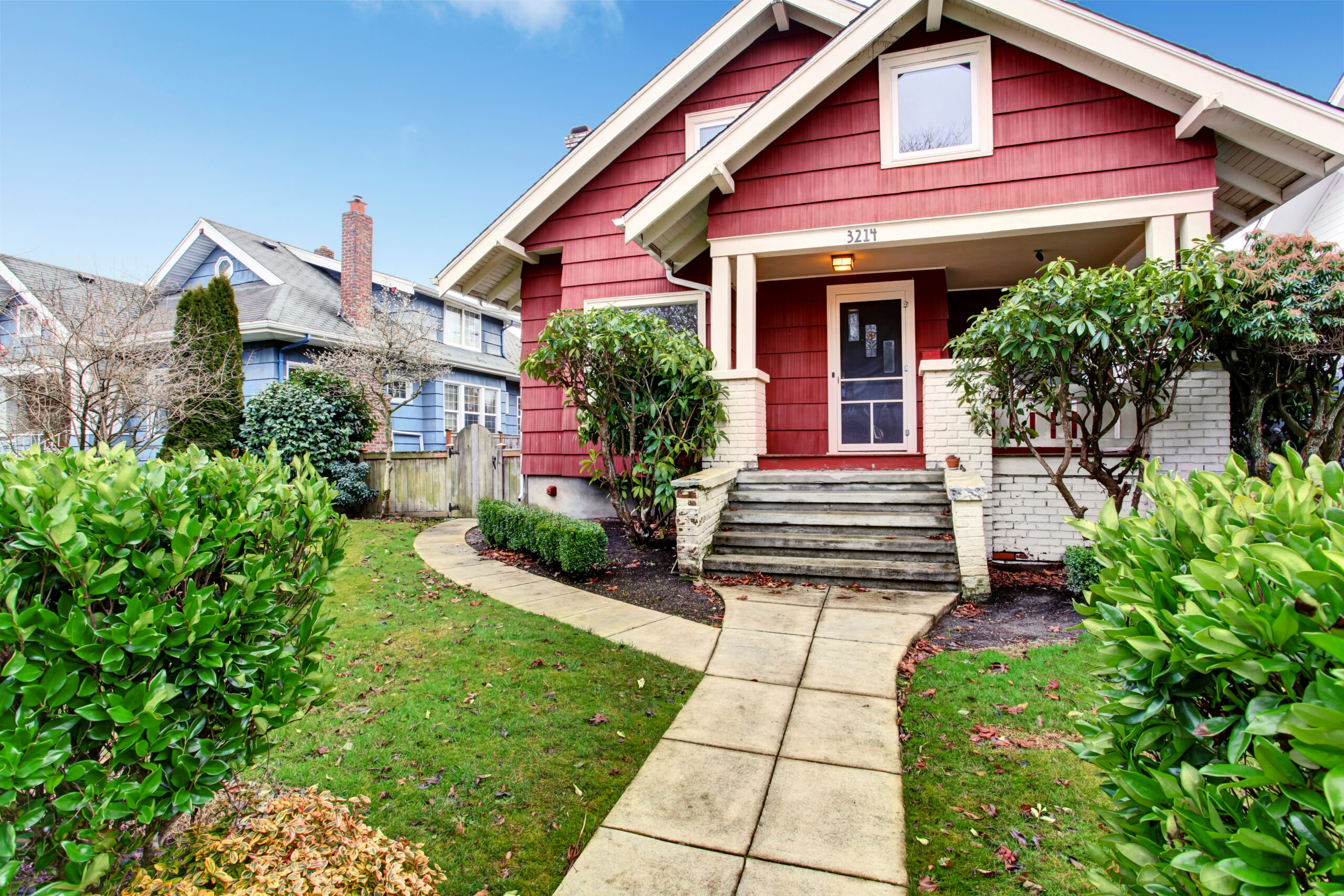
Older homes have character, charm, and a sense of history that new builds cannot match. Original millwork, plaster walls, and classic façades make many buyers and homeowners dream big. But charm can also hide major structural problems. If you are considering buying or renovating an older house in the Milwaukee area, it pays to understand the biggest red flags and when it is smarter to walk away. Home remodeling milwaukee: Discover 7 structural red flags in older homes and when to walk away. Protect your investment and schedule a free consult today.
At Redleaf Renovations, we work on older homes every day. Since 2011, our team has helped clients in and around Wauwatosa and the greater Milwaukee area modernize classic properties while honoring what makes them special. From full home renovations to Amish-built kitchen cabinetry, we bring quality craftsmanship and clear guidance to every step. This guide will help you understand the issues that can derail a project and how to approach them with confidence.
Why Structural Red Flags Matter for Buyers and Remodelers
Structural problems affect safety, livability, insurance, resale value, and your budget. Some issues are fixable with a thoughtful plan and the right experts. Others can snowball into major costs, delays, and endless change orders. When you pursue home remodeling milwaukee, it is important to balance your vision with a realistic look at the bones of the house. Knowing what to watch for can help you avoid a money pit and invest in a home you will love for years.
The 7 Structural Red Flags in Older Homes
1. Major Foundation Movement
Foundations carry the load of the entire house. When they move, crack, or bow, the structure above is at risk. Some minor settlement is normal in older homes, but large or expanding cracks and bowing walls are red flags.
- Horizontal cracks in block or stone walls
- Stair-step cracks in brick or block
- Bowing or leaning foundation walls
- Doors and windows that stick or go out of square
- Significant slopes in floors near the center of the home
Causes include poor drainage, clay soils that expand and shrink, tree roots, or past water intrusion. Reinforcement methods exist, such as helical piers, carbon fiber straps, and wall anchors. These can work well when designed by a structural engineer and installed by specialists. When to walk away: if multiple walls are failing, if the home has ongoing water problems that are hard to solve, or if proposed repairs do not come with an engineer’s stamped design and clear warranty.
2. Rot in Sill Plates and Rim Joists
The sill plate sits on top of the foundation and supports the walls. The rim joist caps the ends of floor joists. In older homes, chronic moisture, poor flashing, and pest activity can lead to rot in these areas. Once the wood softens, floors can sag and walls can move.
- Soft or crumbling wood at the base of exterior walls
- Visible gaps between the foundation and framing
- Insect frass or tunnels near sill areas
- Cold, damp floors and musty odors
Repairs may include replacing sections of sill plates and rim joists, improving drainage, and adding proper flashing and insulation. When damage is localized and accessible, repairs can be reasonable. When to walk away: if rot is widespread around the entire perimeter, if access is limited by finished spaces, or if moisture has been ongoing for years without correction.
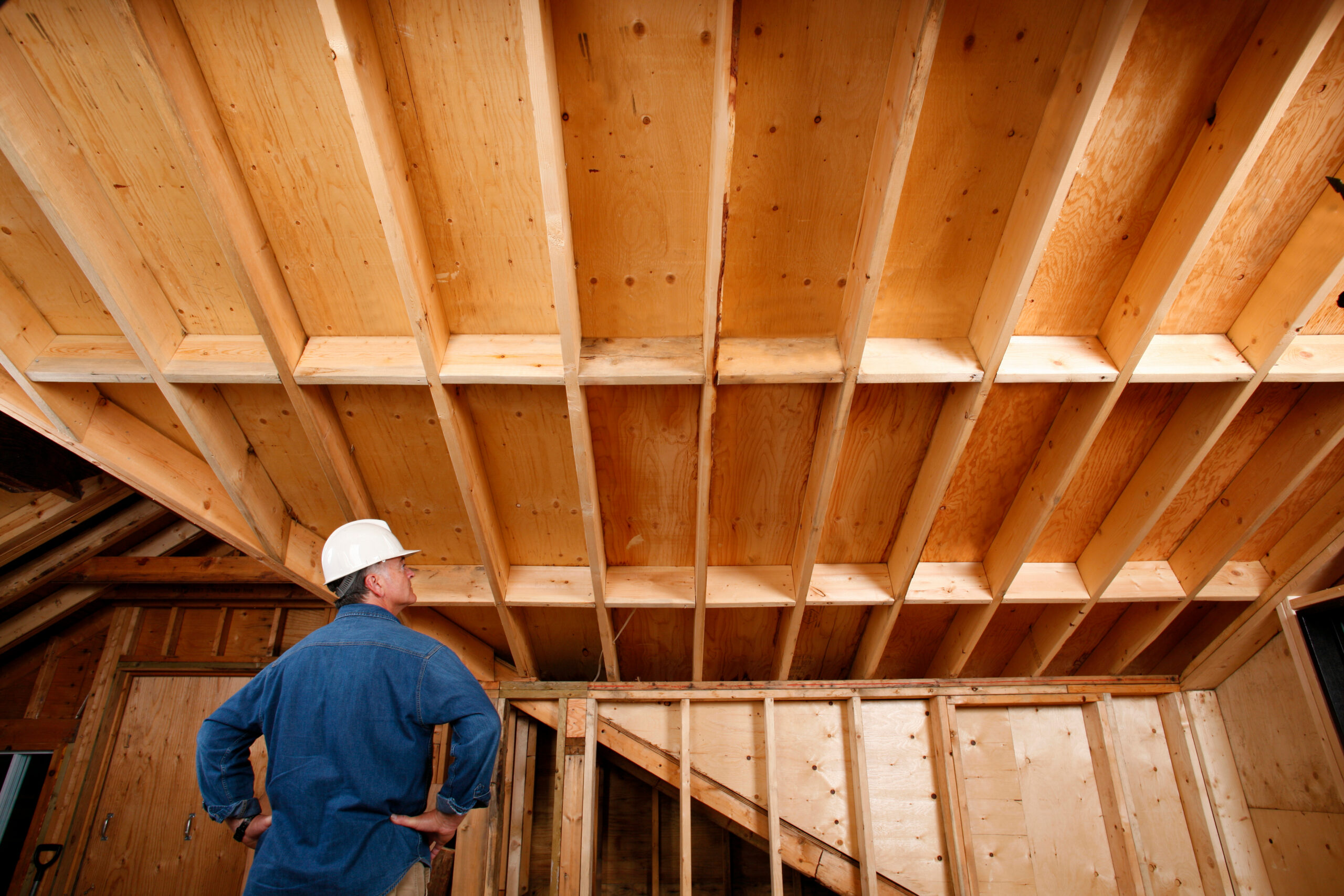
3. Sagging Roof or Failing Rafters
A wavering roofline is more than a cosmetic concern. Older roofs may have undersized rafters, cut or notched members, or framing altered by a previous owner. Water intrusion can also weaken structural members over time.
- A sagging ridge line that dips in the center
- Ceiling cracks that follow roof framing
- Past leaks or patched areas around valleys or chimneys
- Improvised posts or braces in the attic
An engineer can design reinforcement using sistered rafters, collar ties, or LVL beams. A proper fix also addresses ventilation and water control. When to walk away: when the entire roof system is undersized, when trusses have been cut to fit utilities, or when extensive mold and rot are visible across a large area.
4. Bouncy, Sloped, or Sagging Floors
Floors in older homes sometimes feel springy or out of level. Age alone is not the culprit. Common causes include undersized joists, unbraced spans, notched or drilled members, or support posts installed on inadequate footings. Sometimes a previous remodel removed a load path without proper reinforcement.
- Tile cracking over time
- Doors rubbing on floors
- Separations at baseboards
- Joists that have been notched for plumbing or ducts
Solutions range from installing a new beam with proper footings to sistering joists or releveling with shims. While many floor issues can be corrected, hidden damage can add cost. When to walk away: when the main beam is undersized and damaged along most of its length, or when several support points sit on inadequate subsoil that would need extensive rework.
5. Bulging, Cracking Masonry and Chimneys
Masonry failures are common in older homes due to freeze and thaw cycles, moisture, and aging mortar. Chimneys are especially vulnerable since they stand above the roof and take the brunt of weather.
- Bulging brick or stone
- Widespread spalling where the face of brick flakes off
- Open mortar joints and missing bricks
- Chimneys that lean or separate from the house
Tuckpointing can address localized mortar damage. A leaning or failing chimney may need partial or full rebuild, along with proper flashing and a new cap. When to walk away: when masonry failure is broad, load bearing, and combined with foundation movement, or when a structural rebuild would exceed a sensible share of your renovation budget.
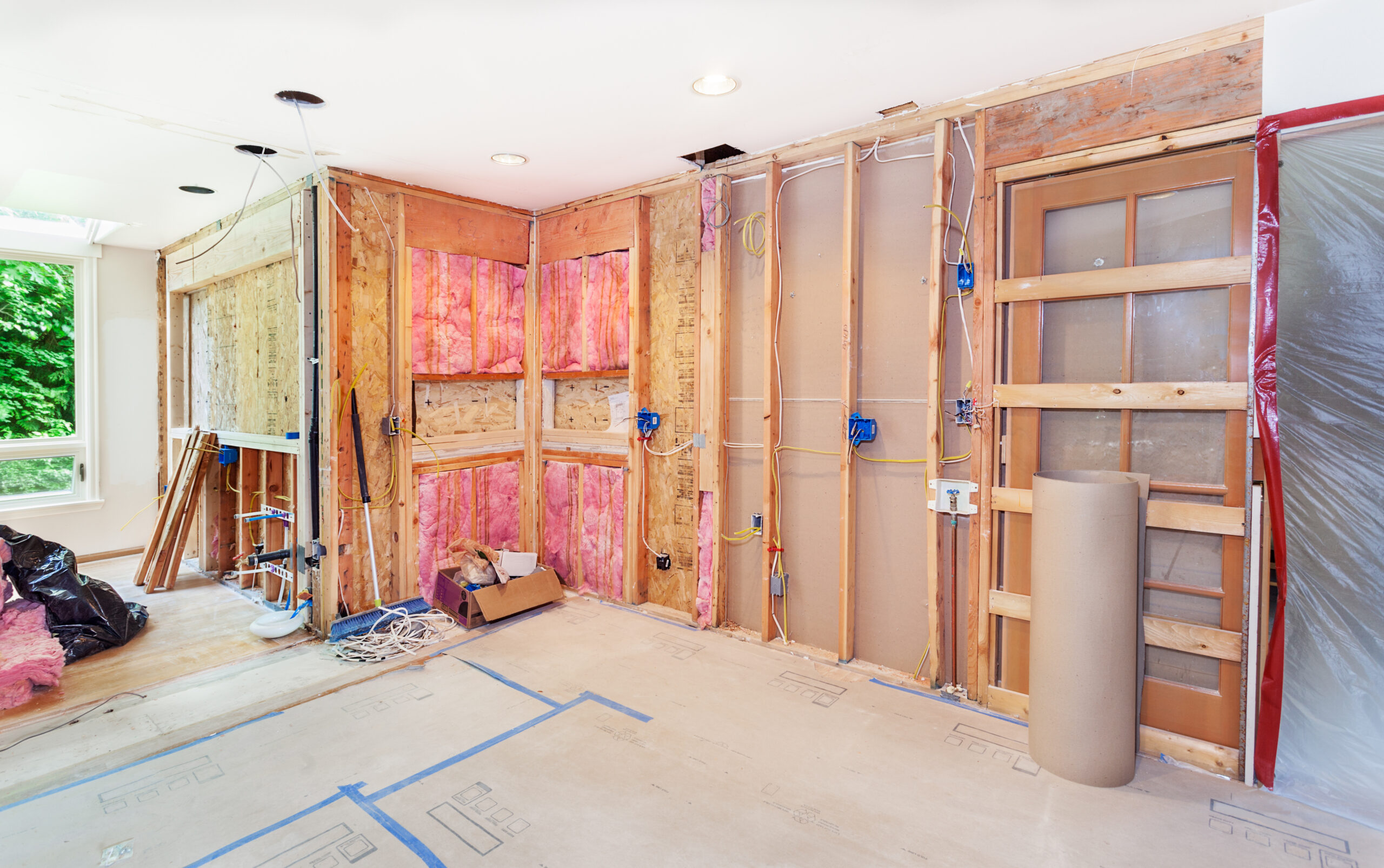
6. Unpermitted Load-Bearing Wall Changes and DIY Structural Work
Some older homes carry hidden risks created by past remodels. A previous owner may have removed a wall to open up a kitchen without adding a proper beam or may have cut joists to run ducts. These shortcuts can cause slow but steady structural damage that shows up as cracks, sloping floors, and stuck doors.
- Open floor plans without visible beams or posts
- Odd deflection lines in ceilings
- Notches or holes in joists beyond code allowances
- Lack of permits or engineering paperwork for past changes
Correcting DIY structural work can be done with engineered beams, new posts, and proper footings. The key is to recreate a continuous load path from roof to foundation. When to walk away: if many load paths were removed across multiple levels, or if correcting the structure would require tearing out most finishes you planned to keep.
7. Chronic Water Intrusion and Drainage Failures
Water is the number one enemy of an older home. Even if structure looks fine today, chronic moisture will rot wood, rust fasteners, promote mold, and invite pests. Drainage problems often start outside and work their way in.
- Pooled water near the foundation after rain
- Gutters that overflow or downspouts that discharge at the base of the wall
- Efflorescence or white powder on basement walls
- Seasonal seepage or a musty basement after storms
Good grading, extended downspouts, foundation drains, sump pumps, and exterior waterproofing can help. But the fix must address the whole water path, not just the symptom. When to walk away: when the site slopes toward the house on multiple sides, when the neighborhood has a known high water table, or when water issues have already caused widespread structural decay.
Fix It or Walk Away: How to Decide
Every home tells a story. The right call depends on the severity of issues, your budget, and your appetite for risk. Here is a simple way to think about it.
Problems You Can Often Fix With the Right Team
- Localized sill plate rot with clear moisture source and good access
- Bouncy floors caused by undersized joists in a limited area
- One failing chimney with a defined rebuild plan
- A single load-bearing wall removed that can be replaced with a beam and posts
- Drainage problems tied to gutters, downspouts, and grading that can be corrected
Situations That Often Signal It Is Time to Walk Away
- Multiple structural systems failing at once, such as foundation bowing, roof sag, and widespread rot
- Evidence of long term water intrusion with mold and decay across many areas
- Past DIY structural changes across several rooms without permits or engineering
- Repairs that would consume more than a safe portion of your all-in budget
- No clear path to code compliance due to site or access limits
As a rule of thumb, if structural repairs alone could take a large share of your total renovation budget and still leave many unknowns, it may be better to let the property go. Redleaf Renovations can coordinate structural engineers and specialty contractors to give you real numbers before you commit, which helps you make a confident choice.
Due Diligence Checklist Before You Buy an Older Home
Good decisions start with good information. If you are planning home remodeling milwaukee, use this checklist to reduce surprises.
- Hire a licensed home inspector with older home experience
- Bring in a structural engineer for any signs of movement, sagging, or altered framing
- Request permit history and engineering documents for past remodels
- Get a sewer scope to check for tree root intrusion and pipe condition
- Order a roof evaluation that includes attic framing and ventilation
- Have a qualified mason inspect chimneys and exterior brick
- Check grading, gutters, downspouts, and sump system for proper water control
- Test for radon, and check for asbestos and lead paint where relevant
- Ask for moisture readings in basements and around sill plates
- Review all findings with your remodeler to align scope, cost, and timeline
Redleaf Renovations partners with trusted inspectors and engineers in the Milwaukee and Wauwatosa area. We help you interpret results and translate them into a realistic plan, whether you are updating a kitchen, finishing a basement, or planning a full home renovation.
How Redleaf Renovations Approaches Older Homes in Milwaukee
Redleaf Renovations is a home renovation company founded in 2011 and built on craftsmanship, care, and personalization. Our team has deep experience with older homes, and we take pride in delivering work that feels timeless and solid. We specialize in complete home renovations, kitchen remodels with Amish-built cabinetry, basement renovations, and additions. Each project starts with listening. We learn how you live, what you love about your home, and what must improve. Then we create a plan that respects the bones of your house while solving problems the right way.
For clients exploring home remodeling milwaukee, our process includes detailed site assessments, collaboration with structural engineers when needed, and clear budgeting that accounts for potential hidden conditions. We handle permits, coordinate trades, and keep communication open from start to finish. The result is a renovation that looks beautiful and performs well for decades.
Smart Budgeting for Structural Surprises
Even with solid due diligence, older homes can hide secrets. Plan a smart budget to reduce stress if something unexpected appears.
- Set a contingency. We recommend a healthy contingency on older homes, often 10 to 20 percent of the construction budget depending on age and findings
- Prioritize structure first. Fix the bones before finishes so your investment lasts
- Phase your project. If the home needs important structural work, consider phasing the remodel to fit your budget without cutting corners
- Choose quality materials. Amish-built cabinetry and durable finishes protect your investment and add long term value
- Work with a team that is transparent about allowances, lead times, and potential risks
Realistic Scenarios to Guide Your Decision
Scenario 1: The Fixable Classic
You find a 1920s home with oak trim, original doors, and a charming porch. The basement shows a bowing wall on one side and gutters are undersized. A structural engineer designs a wall reinforcement plan. Redleaf Renovations corrects grading, upgrades gutters, and executes the engineered fix. You proceed with a thoughtful kitchen remodel featuring Amish-built cabinetry. Result: a safe, beautiful home with preserved character.
Scenario 2: The Money Pit in Disguise
A larger 1900s home looks spectacular from the street. Inside, floors slope in several rooms. The attic shows improvised posts and cut rafters. The basement walls lean on two sides. Water has stained sill plates and the chimney leans. Multiple systems need major work. Even a generous budget would be stretched thin before you reach the finishes you want. In this case, walking away protects your finances and your peace of mind.
Scenario 3: The DIY Time Bomb
A mid-century home has a wide open kitchen and living room created by a past owner. There are no visible beams, and the ceiling shows long cracks. Doors are sticking and tile is cracking. An engineer finds that load-bearing walls were removed without proper support. Redleaf Renovations installs a new engineered beam with posts and footings, then proceeds with a full kitchen and flooring update. The home becomes safe and stylish with a layout you love.
Frequently Asked Questions
How do I know if a crack is serious?
Hairline vertical cracks that do not change over time are often normal. Horizontal cracks, wide or growing cracks, and cracks paired with water stains or bowing need a professional review. If in doubt, get a structural engineer on site.
Can I remodel while fixing structural issues?
Yes, and it is often the best time to do both. Many structural fixes happen behind finishes. Taking care of the structure during a remodel protects your new investment. Redleaf Renovations builds schedules that coordinate structural work with your design goals.
What if I love the house but the structure scares me?
Bring in a team early. With a careful inspection and an engineered plan, many older homes can be saved. If the costs and risks stack too high, you can make a clear decision to keep looking. Either way, you win by avoiding guesswork.
Do older homes in Milwaukee need special materials?
The right materials and methods matter. We often use engineered lumber for beams, proper flashing and waterproofing for exteriors, and long lasting finishes. In kitchens, Amish-built cabinetry brings durability and beauty that fits older-home charm.
Your Partner for Home Remodeling in Milwaukee
If you are exploring home remodeling milwaukee and weighing an older home, Redleaf Renovations is here to help. We bring personalized design, expert project management, and skilled craftsmanship to every renovation. Our team specializes in complete home renovations, kitchen remodels, basement renovations, and additions, and we serve homeowners in Wauwatosa and across the greater Milwaukee area.
Schedule a free consult to discuss your goals, walk through red flags, and build a clear plan. Whether you decide to move forward with a renovation or to walk away from a risky property, you will have the knowledge to protect your investment and create a home you will love. Reach out to Redleaf Renovations today and take the first step with a trusted partner by your side.