If you love the character of a century-old Milwaukee home but want a fresher, smarter kitchen, you are not alone. This guide shares kitchen renovation milwaukee strategies that blend historic charm with modern function. You will find ideas for layouts, materials, systems, budgets, and timelines, plus tips from Redleaf Renovations on crafting a kitchen that feels true to your home and easy to live in every day.
Why Old Milwaukee Kitchens Need a Thoughtful Plan
Many homes in Milwaukee and nearby communities like Wauwatosa were built in the early 1900s. They often feature small galley kitchens, original hardwood floors, thick trim, plaster walls, and built-in hutches. These details are beautiful, but they can limit storage, natural light, and workflow. A successful kitchen renovation milwaukee project respects what is original while carefully upgrading what you use most.
Redleaf Renovations has been remodeling homes since 2011 with a focus on craftsmanship and personalization. Their team often works with Amish-built cabinetry and premium materials, which helps new kitchens look like they have always belonged in the home. This approach works especially well in older houses where proportion and detail matter.
Layout Ideas That Open Space Without Losing Character
Before picking finishes, start with function. Kitchens in older Milwaukee houses tend to be narrow with a separate dining room and sometimes a butler’s pantry or rear porch. Consider these layout updates that feel period appropriate yet modern.
1. The Cased-Opening Concept
Remove a wall between kitchen and dining, then rebuild a wide cased opening with trim to match the rest of the house. You gain sightlines and flow, but the kitchen still reads as its own room, which suits historic architecture.
- Pros: Keeps trim and millwork style, improves natural light
- Best for: Craftsman, Foursquare, and Tudor homes with strong woodwork
2. Galley Plus Pantry Reboot
In many Milwaukee homes, a small pantry or back hall sits near the kitchen. Convert it into a walk-in storage zone or integrate it into the main layout as a tall cabinetry wall with an integrated fridge and broom closet.
- Pros: Maintains efficient galley workflow, hides clutter
- Best for: Long, narrow kitchens with limited width for an island
3. Peninsula With a Purpose
When an island will crowd walkways, a peninsula adds seating and storage while keeping aisles safe. A half wall with columns or a shallow hutch at the end of the peninsula nods to original details.
- Pros: Extra countertop, social seating, minimal structural change
- Best for: Kitchens under 12 feet wide
4. Island That Fits the House
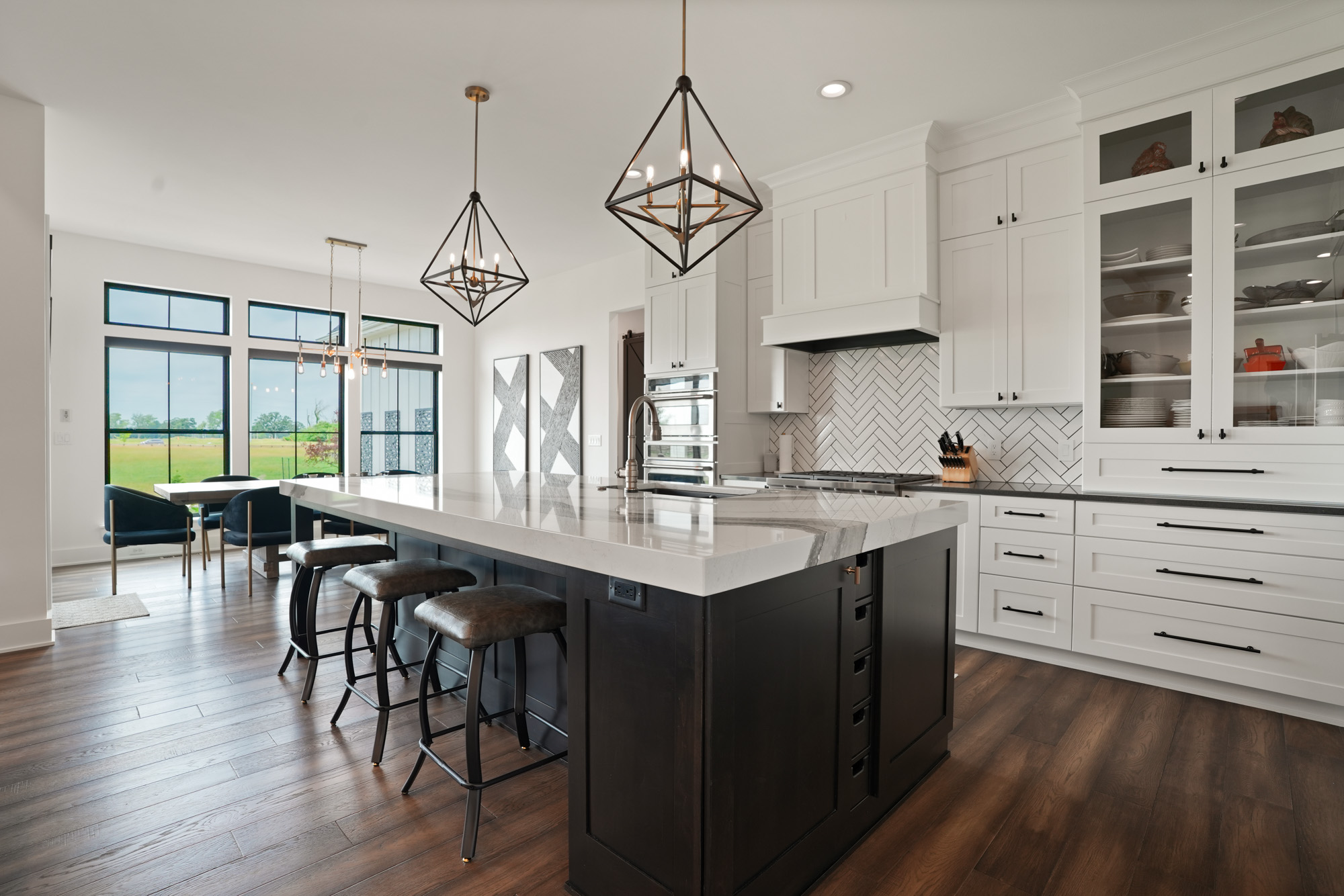
If your space allows, choose a modest island sized to original proportions. An island with furniture-style legs or a stained wood base looks timeless and works well with Amish-built cabinets from Redleaf Renovations.
- Pros: Added prep surface, central gathering point
- Best for: Wider kitchens after selective wall changes
5. Breakfast Nook Revival
Keep a cozy breakfast corner by building a bench seating nook below existing windows. This honors the era and frees up floor space for storage along main walls.
- Pros: Family friendly, uses awkward corners well
- Best for: East Side and Bay View bungalows with sunny windows
Preserving the Soul of a Century-Old Kitchen
The best kitchen renovation milwaukee outcomes do not erase history. They highlight it. Preserve and replicate the features that give your home its identity.
- Match trim profiles. Have new casings and baseboards milled to mirror existing woodwork.
- Reuse built-ins. Refresh a dining hutch with new interior lighting and glass shelves.
- Respect ceiling height. Use crown that meets original plaster lines and leaves room for venting.
- Refinish instead of replace. Old oak or maple floors refinish beautifully and set a warm tone.
- Choose authentic door styles. Inset Shaker or simple raised-panel doors echo early 20th-century design.
Materials and Finishes That Bridge Old and New
Material choices can make a new kitchen feel like it belongs. Redleaf Renovations often pairs classic textures with modern performance so you do not have to baby your space.
Cabinetry That Belongs in the Era
Amish-built cabinetry offers precise joinery and custom sizes that fit odd corners and plaster walls. Consider a mix of painted perimeter cabinets and a stained quarter-sawn oak island to nod to original wood tones. Inset doors feel historic, while soft-close hardware keeps daily use comfortable.
Countertops That Wear Well
Soapstone looks right at home in older houses and develops a lived-in patina. Honed quartz that mimics marble gives the classic look with less upkeep. Butcher block on a furniture-style island adds warmth without overwhelming the room.
Backsplash With Subtle History
Classic white subway tile never left older Milwaukee kitchens. Try a bevel or handmade look with a simple running bond pattern. A light gray grout defines the tile without reading too modern. For a small accent, a picture-rail-height band of decorative tile can reference period details found elsewhere in the home.
Hardware, Fixtures, and Lighting
- Hardware: Unlacquered brass or oil-rubbed bronze ages gracefully. Cup pulls and simple knobs feel right for the era.
- Plumbing: Go for a bridge or single-handle faucet with a timeless arch. Choose finishes that match or complement hardware.
- Lighting: Mix a schoolhouse pendant, a pair of island lights, and under-cabinet LEDs. Keep color temperature warm for comfort.
Behind the Walls: Systems and Code Considerations
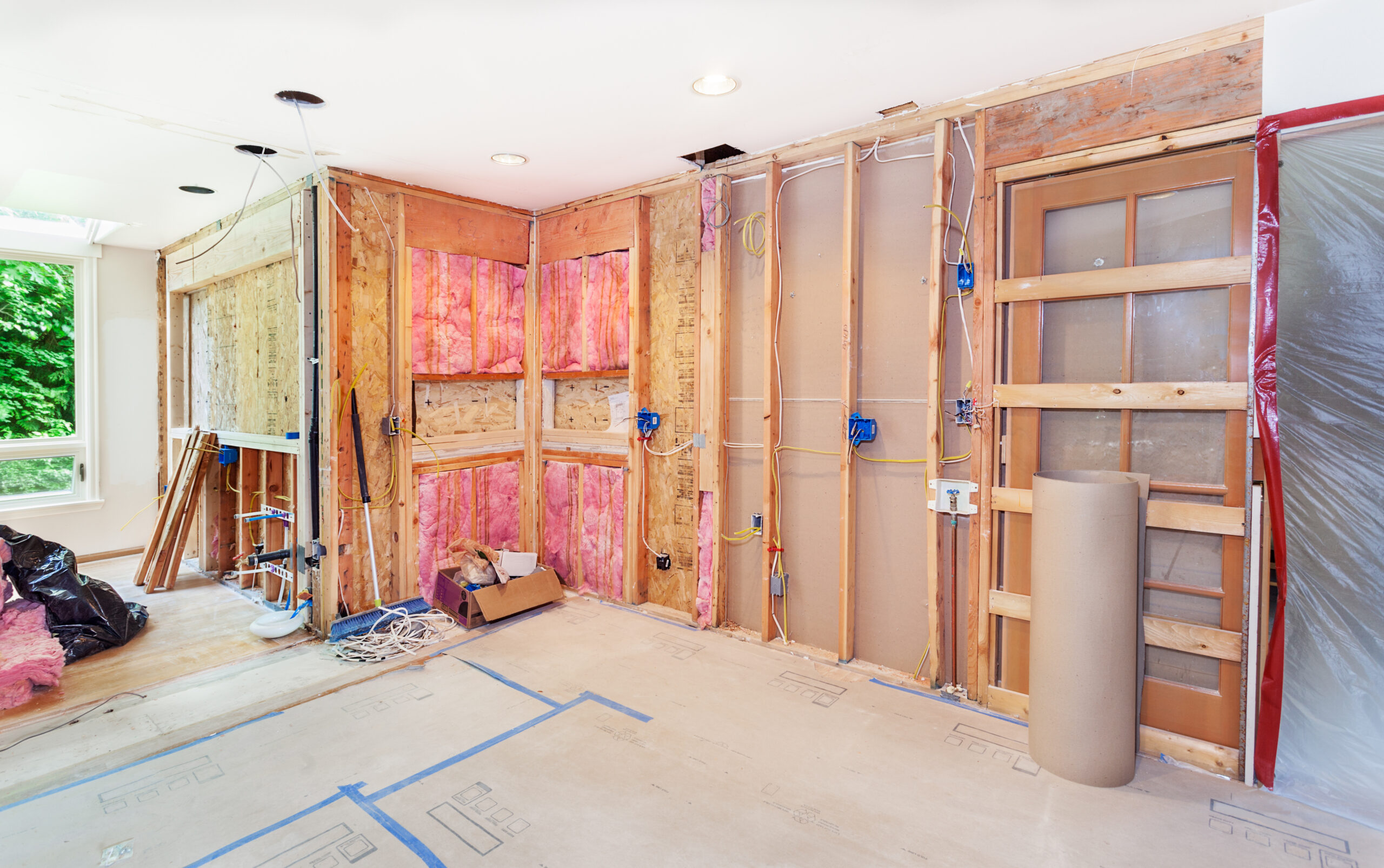
Older homes often need hidden upgrades during a kitchen renovation milwaukee project. Addressing the behind-the-scenes work now prevents headaches later.
- Electrical: Many century homes still have limited circuits or legacy wiring. Plan for dedicated appliance circuits, GFCI and AFCI protection, and code-compliant lighting. Replace knob-and-tube where found.
- Plumbing: Old galvanized lines can restrict flow. Update supply and waste lines, add shutoffs, and confirm proper venting.
- Ventilation: Duct a range hood to the exterior and size it to your cooktop. Discuss makeup air requirements with your contractor and local inspector for higher CFM hoods.
- Insulation and air sealing: Kitchens on exterior walls benefit from targeted insulation and air sealing. This improves comfort in Milwaukee winters and reduces drafts.
- Lead-safe practices: For homes built before 1978, use lead-safe work methods. Redleaf Renovations follows safe procedures that protect your family and the team on site.
Smart Storage for Small Footprints
Space is precious in older homes. Build storage that maximizes every inch without adding visual bulk.
- Full-height cabinets: Extend to the ceiling with a simple stacked crown to gain a bonus shelf.
- Interior organizers: Use pull-out trays, spice pullouts, and tray dividers to prevent clutter.
- Island drawers: Deep drawers hold pots and small appliances better than base cabinets with doors.
- Hidden charging: Add a drawer with built-in outlets to keep counters clean.
- Pantry wall: A shallow pantry with adjustable shelves delivers huge value in a slim footprint.
Budgets, Timelines, and What Drives Cost
No two older homes are the same, but ranges can help you plan. The following examples are for guidance only. Your scope, selections, and home conditions will set the final budget.
- Refresh with limited changes: 25,000 to 45,000. Paint, lighting, minor carpentry, selective countertop and backsplash updates.
- Mid-level remodel: 45,000 to 85,000. New cabinets, updated appliances, some layout changes, moderate system updates.
- Full gut and rewire: 85,000 to 150,000+. New layout, Amish-built cabinets, extensive electrical and plumbing, premium finishes.
- High-end historic integration: 150,000 to 250,000+. Custom millwork, luxury appliances, structural changes, stone and bespoke tile.
Cost drivers include structural work, system upgrades, custom cabinetry, stone selection, appliance packages, and tile complexity. For Milwaukee homes, access can also affect cost. Tight alleyways and winter conditions may add time for delivery and staging.
Typical Timeline
- Design and planning: 4 to 8 weeks
- Selections and ordering: 4 to 10 weeks, longer for custom cabinetry
- Construction: 6 to 14 weeks depending on scope
- Total project duration: Often 3 to 6 months from kickoff to completion
Cost-Saving Strategies That Keep Character
Stay on budget without sacrificing what makes your home special.
- Prioritize layout and lighting. Function first, style second.
- Focus stone on the main runs, then use butcher block on an island to reduce cost.
- Choose a standard tile size and a simple pattern. Labor is often a major tile cost.
- Refinish existing hardwood instead of new flooring when possible.
- Keep major plumbing in place when the layout allows.
- Mix appliance levels. A pro-style range pairs well with a standard dishwasher and fridge.
Sustainable Choices for Long-Term Value
Historic homes reward thoughtful upgrades that lower energy use and reduce maintenance.
- LED lighting with warm color temperature for classic ambiance and low energy draw.
- Efficient appliances to save water and power.
- Low-VOC paints and finishes for healthier indoor air.
- Locally built cabinetry, like the Amish-built options Redleaf Renovations installs, to reduce transport and support regional craft.
- Restored hardwood floors instead of new materials when they can be saved.
Mini Case Studies: Milwaukee Homes Reimagined
Washington Heights Craftsman With Cased Opening
An enclosed kitchen felt dark and cramped. Redleaf Renovations removed the dining wall and rebuilt a wide cased opening with trim that matched original door casings. Inset painted cabinets and a stained furniture-style island delivered storage without overpowering the room. A schoolhouse pendant and warm quartz counters tied it all together.
Bay View Bungalow With Pantry Wall
This home lacked a place for tall storage. The team created a shallow pantry wall that concealed the refrigerator and added floor-to-ceiling cabinets only 15 inches deep. Soapstone counters with a white subway backsplash kept the period feel. A built-in bench along the window formed a breakfast nook that quickly became the favorite spot in the house.
Wauwatosa Foursquare With Galley Refresh
A long, narrow kitchen was reimagined without an island. Pull-out trays, spice pullouts, and deep drawers improved function. A new cased opening added light from the dining room. Unlacquered brass hardware and a bridge faucet brought warmth, while updated electrical and a vented hood improved safety and cooking comfort.
How Redleaf Renovations Delivers a Seamless Remodel
Redleaf Renovations is a residential remodeling company founded in 2011 that believes every kitchen should reflect the homeowner’s style and the home’s history. Their work emphasizes quality craftsmanship and attention to detail, with a specialty in high-quality materials and Amish-built cabinetry that stand up to daily use.
Redleaf Renovations offers complete home renovations, kitchen remodels, basement renovations, and additions. The company has published articles on projects in Wauwatosa and serves homeowners across the greater Milwaukee area. Their process centers on clear communication and precise execution.
Simple, Client-Focused Process
- Consultation: Discuss your vision, budget, and how you live day to day.
- Design: Align layout with the house, refine details, and select materials.
- Planning: Confirm timeline, permits, and trade schedules.
- Build: Skilled craftsmen execute the plan with care and cleanliness.
- Walk-through: Review the work, learn maintenance tips, and enjoy your new kitchen.
Planning Checklist for a Century-Old Kitchen
- Document what you love and what frustrates you in your current kitchen.
- Measure the space and note door and window placements.
- Decide which historic elements to preserve or replicate.
- Set a realistic budget range with a 10 to 15 percent contingency.
- Choose a contractor experienced with older Milwaukee homes, like Redleaf Renovations.
- Confirm electrical, plumbing, and ventilation needs.
- Select cabinets, counters, tile, hardware, lighting, and appliances.
- Plan for daily life during construction, including a temporary kitchen setup.
- Schedule work with seasonality in mind and prepare for winter access if needed.
- Agree on a clear timeline and communication cadence.
Common Mistakes to Avoid
- Overly modern finishes that fight the home’s character
- Ignoring electrical or plumbing upgrades during walls-open phases
- Oversized islands that crowd aisles
- Upper cabinets that stop short of the ceiling with no dust trim
- Harsh lighting temperatures that feel cold in a vintage space
- Skipping a contingency budget in older homes
Frequently Asked Questions
How do I keep my kitchen feeling historic without giving up modern features?
Focus on proportion and texture. Use inset cabinets, classic tile, and warm metals. Layer in modern function with soft-close hardware, LED lighting, and efficient storage behind traditional-looking doors.
Do I need permits for a kitchen renovation in Milwaukee?
Most kitchen remodels with electrical, plumbing, or structural changes require permits. Your contractor should coordinate with local authorities and follow lead-safe and code-compliant practices.
Is Amish-built cabinetry worth it?
For older homes with uneven walls and custom needs, yes. Amish-built cabinets from a trusted partner offer outstanding fit and finish, flexible sizing, and long-lasting performance. They also help a new kitchen blend with original woodwork.
What is a realistic timeline?
Plan for 3 to 6 months from design to completion. Custom cabinets and specialty materials can extend the schedule. Redleaf Renovations will help you sequence selections early to avoid delays.
Start Your Kitchen Renovation the Right Way
Old Milwaukee homes have heart. Your kitchen can too. With careful planning, the right layout, and materials that honor the past, you can create a space that cooks, gathers, and ages gracefully. If you are thinking about a kitchen renovation milwaukee project, Redleaf Renovations offers personalized design, high-quality craftsmanship, and Amish-built cabinetry that fit century homes beautifully. From first sketch to final walkthrough, their team is committed to detail and clear communication.
Ready to blend historic charm with modern function in your 100-year-old home? Reach out to Redleaf Renovations to discuss your goals, explore layouts and materials, and build a smart budget. Start your remodel today and enjoy a kitchen that looks original to your home and works for your life.