Gourmet kitchen vs regular kitchen is a big decision. This guide explains when small fixes waste money and when a full main-floor gut pays off. Compare costs, value, and timing so you can plan with confidence.
At Redleaf Renovations, we help homeowners transform dated, patched-together spaces into cohesive, high-performing main floors. Since 2011, our team has built a reputation for quality craftsmanship, detailed project planning, and custom solutions that reflect your style. We use high-quality materials, including Amish-built cabinetry, to deliver renovations that look beautiful and work hard every day.
Gourmet Kitchen vs Regular Kitchen: What’s the Real Difference?
Before you decide how far to take your remodel, it helps to define the gourmet kitchen vs regular kitchen question. The difference is not only about luxury finishes. It is about performance, layout, durability, and how your kitchen supports your life.
What most people mean by a regular kitchen
- Standard appliance package, often a 30-inch range, a refrigerator, a microwave hood, and a dishwasher
- Laminate or mid-range quartz counters and stock or semi-custom cabinets
- Basic lighting with a few recessed fixtures and a pendant or two
- Typical work triangle but less attention to prep zones, baking stations, or entertaining flow
- Good for everyday cooking and simple hosting
What most people mean by a gourmet kitchen
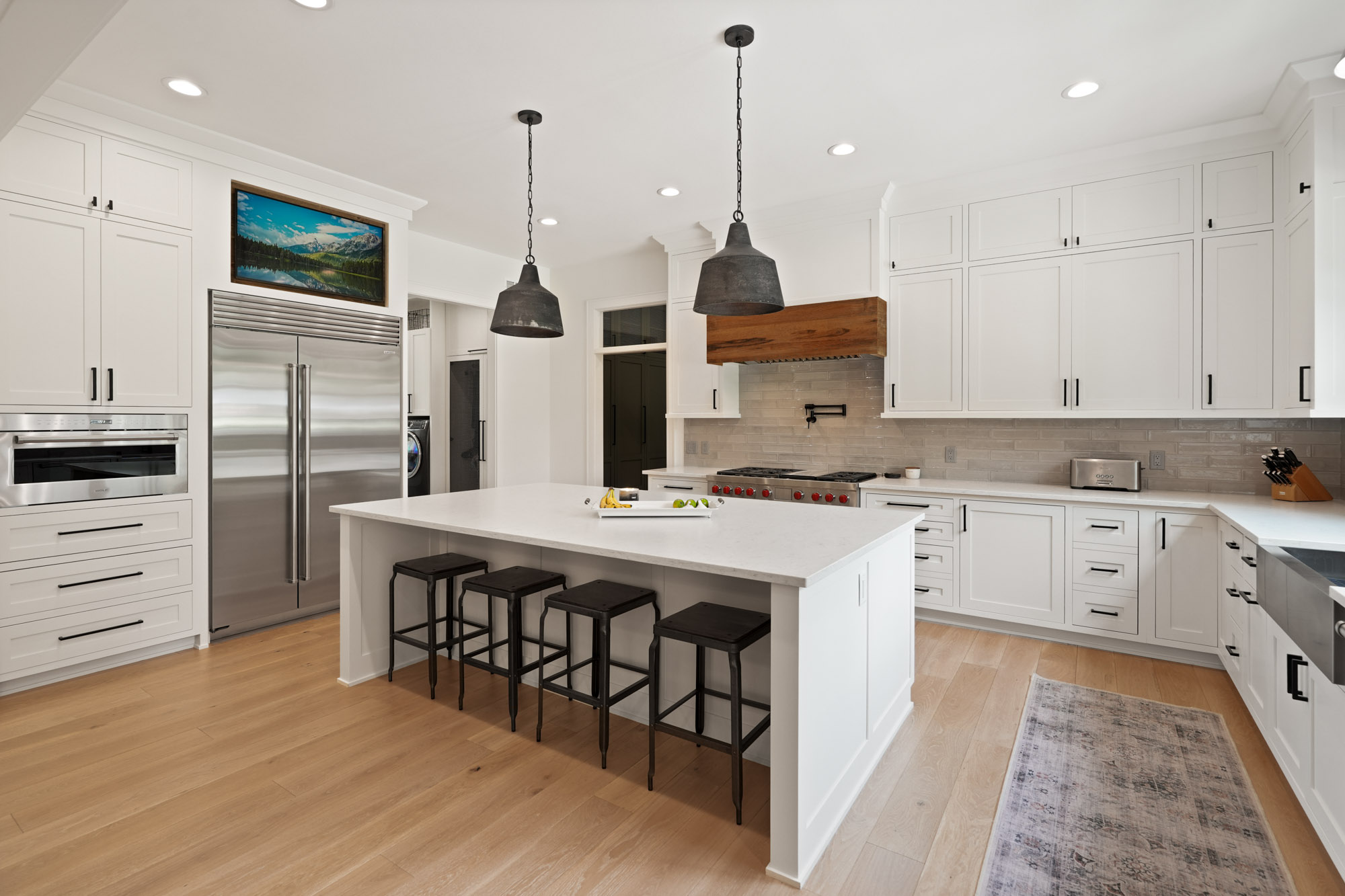
- High-performance appliances like a pro-style range or separate cooktop and wall ovens, often with better ventilation
- Dedicated zones such as a baking center, coffee bar, beverage fridge, or second sink
- Durable surfaces like thicker quartz, natural stone, or heat-resistant materials
- Custom or Amish-built cabinetry with smart storage like tray dividers, spice pullouts, and deep drawers
- Layered lighting that blends task, ambient, and accent fixtures
- Better traffic planning for cooking and entertaining, often with a larger island
In short, a gourmet kitchen is designed for frequent cooking, hosting, and long-term durability. A regular kitchen covers the basics. If you are wrestling with the gourmet kitchen vs regular kitchen choice, think about your habits, your timeline in the home, and whether you need to fix the whole main floor to get the results you want.
When Small Fixes Stop Making Sense
Many homeowners start with paint and hardware. That can help for a year or two. But there are common signs that patches are just kicking the can down the road.
Functional red flags
- The layout still causes traffic jams or makes cooking feel like a chore
- Counters are always cluttered, even after adding organizers
- Appliances fight each other, like a fridge door blocking the oven or dishwasher
- There is not enough seating for the way your family lives
- Lighting leaves the sink, range, or prep areas in the dark
System or structural red flags
- Old plumbing that leaks or cannot handle new fixtures
- Outdated electrical that trips breakers when you run small appliances
- Sagging floors or walls that reveal framing issues
- Uneven subfloors that make new flooring fail or squeak
- Old insulation, drafty windows, or poor ventilation that cause moisture problems
Design dead ends
- Closed-off rooms that block light and make hosting hard
- Low soffits or bulkheads that limit cabinet height
- Shortcuts made by previous owners that you keep trying to camouflage
- Finishes that never match from one patch to the next, creating a pieced-together look
If these red flags sound familiar, it is time to consider a full main-floor gut. Redleaf Renovations often finds that clients spend thousands on band-aids without addressing the root problems. A thoughtful, whole-floor plan can solve layout, lighting, storage, and system issues all at once.
Costs, Value, and Timing: Patch Jobs vs a Full Main-Floor Gut
Every home and market is different, but these general ranges can help you plan. These are rough planning numbers, not quotes. Your home’s size, selections, and site conditions will affect your budget.
Typical cost ranges
- Cosmetic refresh like paint, hardware, a simple backsplash, and lighting updates: 2,000 to 10,000
- Kitchen “facelift” like refacing cabinets and new counters: 25,000 to 60,000
- Full kitchen remodel with new cabinets, layout tweaks, and mid-range finishes: 65,000 to 125,000+
- Gourmet kitchen with custom or Amish-built cabinetry, pro appliances, and layout rework: 120,000 to 250,000+
- Main-floor gut with kitchen, dining, living, flooring, lighting, and potential structural changes: 150,000 to 400,000+ depending on size and scope
Homeowners in the Wauwatosa, Wisconsin area often find that making the main floor cohesive produces a better result than investing heavily in just the kitchen. Redleaf Renovations helps compare scenarios so you can move forward with clarity.
Return on investment and daily value
A main-floor gut can boost everyday living and resale potential. You get improved natural light, better sightlines, updated systems, and matching finishes throughout. For many buyers, a well designed main floor is more valuable than a stand-alone kitchen upgrade that still leaves choppy rooms. When you go gourmet kitchen vs regular kitchen, think about lasting value. Serious cooks and frequent hosts often benefit the most from gourmet features. If you see yourself in the home for many years, durability and layout improvements often pay off in comfort and reduced maintenance.
Timeline and disruption
- Patchwork updates: 1 to 4 weeks, limited disruption
- Kitchen remodel: 8 to 16 weeks, with a temporary kitchen setup
- Main-floor gut: 12 to 24+ weeks, often requires living off-site for a period
Redleaf Renovations builds schedules around accurate lead times for custom items like Amish-built cabinetry and specialty appliances. This helps prevent mid-project delays and surprise costs.
Gourmet Kitchen vs Regular Kitchen: Which Aligns With Your Goals?
Use your lifestyle as the guide, not trends. The right answer for gourmet kitchen vs regular kitchen depends on how you cook and entertain.
Choose a regular kitchen if you…
- Cook a few times a week and rely on simple appliances
- Host small groups and do not need double ovens or a second sink
- Prefer to invest in other parts of the home like a basement renovation or an addition
- Plan to move in a few years and want a clean, fresh, value-focused update
Choose a gourmet kitchen if you…
- Cook daily, bake often, or meal prep for a large family
- Entertain frequently and want zones for guests to gather without crowding the cook
- Need heavy-duty storage, durable work surfaces, and powerful ventilation
- Plan to stay long term and want custom details that fit your routines
Redleaf Renovations designs both types of kitchens. Our team can show you where a gourmet upgrade will matter and where a regular solution will still deliver strong results. We focus on performance and craftsmanship, not simply adding cost.
Why the Whole Main Floor Matters More Than You Think
You use more than the kitchen every day. A main-floor gut lets you align the kitchen, dining, living, mudroom, and powder room for a seamless experience.
- Open flow and light: Remove walls or widen openings to bring in natural light and improve sightlines
- Unified flooring: One continuous surface avoids thresholds and boosts the sense of space
- Better storage: Add a pantry, mudroom cabinets, or built-ins in living areas
- Electrical and lighting plan: Coordinate switches, dimmers, and layers of light across the floor
- Comfort and safety: Update HVAC, improve ventilation, and address aging-in-place needs like wider doorways
- Acoustic control: Plan for quiet, especially with open layouts, through sound-absorbing materials and smart furniture zones
When Redleaf Renovations rethinks the whole main floor, we start with your daily patterns. We shape circulation, furniture layouts, and sightlines so the space feels calm and intentional, not just new.
A Thoughtful Process With Redleaf Renovations
Quality outcomes come from a clear process. Here is how Redleaf Renovations guides a main-floor gut from ideas to move-in day.
- Discovery: We discuss lifestyle, cooking habits, entertaining style, and the gourmet kitchen vs regular kitchen decision. We walk your home to spot system upgrades that may be needed.
- Concept design: We develop layout options, review structural needs, and align the plan with your budget.
- Selections: We help you choose materials that fit your priorities, including Amish-built cabinetry, counters, fixtures, flooring, and lighting.
- Detailed estimating: You receive a clear, itemized scope. No vague allowances. No guesswork.
- Permitting and planning: We handle permits and inspections. We set a schedule that factors in lead times for custom cabinets and appliances.
- Construction: Our craftsmen focus on fit and finish. We protect your home, communicate often, and solve issues quickly.
- Final walkthrough: We confirm that every detail meets our standards and yours.
Smart Splurges and Sensible Savings
Not every element needs to be top tier to get a gourmet feel. Redleaf Renovations helps you invest where it matters.
High-impact splurges
- Cabinetry: Custom or Amish-built cabinets for fit, function, and long life
- Ventilation: A quality hood to control heat, grease, and odors
- Lighting: Layered lighting with dimming to set the mood and improve function
- Countertops: Durable surfaces in workhorse zones like islands and main prep areas
Smart ways to save
- Appliance mix: Combine one or two pro pieces with reliable mid-range models
- Tile strategy: Use statement tile in a focused area and balance with a simpler field tile
- Plumbing layout: Keep sinks near original locations when possible to reduce costs
- Flooring: Choose a durable, mid-range option installed with care for a premium look
Common Myths That Delay the Right Decision
- Myth: I should keep patching until I can afford everything. Reality: Repeated small projects can cost as much as one well planned gut without fixing core issues.
- Myth: A gourmet kitchen is only about fancy appliances. Reality: It is about layout, storage, ventilation, and durable materials that fit your cooking style.
- Myth: Opening walls is always simple. Reality: Structural work needs engineering and permits to be safe and efficient.
- Myth: I can get the same results with refacing. Reality: Refacing changes looks, not layout, storage, or systems.
Clear Signs You Are Ready to Gut the Main Floor
- Your kitchen, dining, and living rooms feel cramped and isolated from each other
- You have spent money on patches and still fight the layout
- Your electrical or plumbing is outdated and needs major work anyway
- You plan to stay in the home long term and want it set up for future needs
- Resale is on your mind and your market favors open, bright main floors
- You are weighing gourmet kitchen vs regular kitchen choices and keep running into layout limits
- You want matching finishes, consistent flooring, and a unified design language throughout
FAQs About Full Gut Renovations and Kitchen Choices
Is a gourmet kitchen worth it if I do not cook much?
If you cook rarely, a regular kitchen with a strong layout and good lighting might be the best value. Focus on timeless finishes and smart storage. Redleaf Renovations can still add a few gourmet touches, like a quiet dishwasher or a better hood, without going all in.
Can I phase a main-floor gut to spread out costs?
Sometimes. It works best when we tackle structural and systems first. You can then complete finishes room by room. We will help you plan phases that avoid rework. The downside is living through longer periods of change, so consider your tolerance for disruption.
How long do Amish-built cabinets take?
Lead times vary by season and complexity. Many projects allow 8 to 14 weeks for design, build, and finishing. Redleaf Renovations schedules construction to align with cabinet delivery to keep your project moving.
Can I live at home during a main-floor gut?
It depends on scope. Some families set up a temporary kitchen in a basement or utility area. Others prefer to move out for the dust-heavy phases. We will map a plan that balances safety, comfort, and speed.
Do I need permits?
Yes, if you move walls, change electrical or plumbing, or alter structural elements. Redleaf Renovations manages permitting and inspections so your project stays code compliant and safe.
How Redleaf Renovations Brings Craftsmanship and Clarity
We believe your home should reflect your life. Redleaf Renovations brings together design, engineering, and skilled trades so your main-floor gut feels seamless. Our Amish-built cabinetry, quality materials, and careful finish work stand up to daily use while looking beautiful. We communicate often, respect your budget, and stay focused on what matters to you.
Your Next Step
If you are debating gourmet kitchen vs regular kitchen and wondering whether to keep patching or start fresh, it may be time to look at the whole main floor. A cohesive plan can unlock light, space, function, and value that small fixes cannot touch. Redleaf Renovations serves homeowners in and around Wauwatosa, Wisconsin, and we would be honored to help you plan your remodel. Reach out to discuss your goals, walk through cost and timeline options, and start designing a main floor that truly fits your life.